

Sidekick: Remote Help That Starts Without a Human
A technician alone on a job with something they have never seen before. Sidekick puts an AI on the glasses they own, and calls a human only when it has to.
44 posts since 2016
— 2026
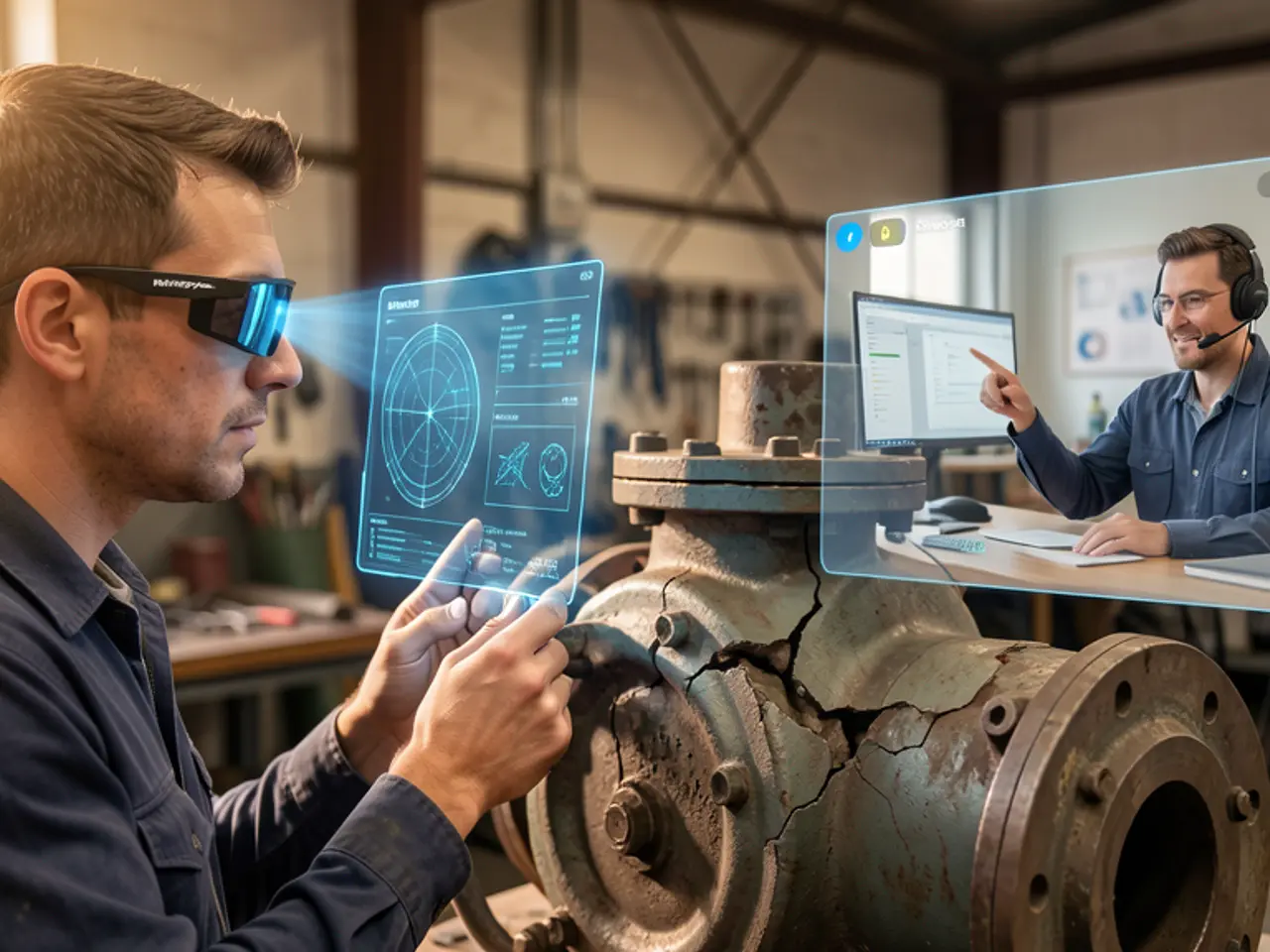
A technician alone on a job with something they have never seen before. Sidekick puts an AI on the glasses they own, and calls a human only when it has to.
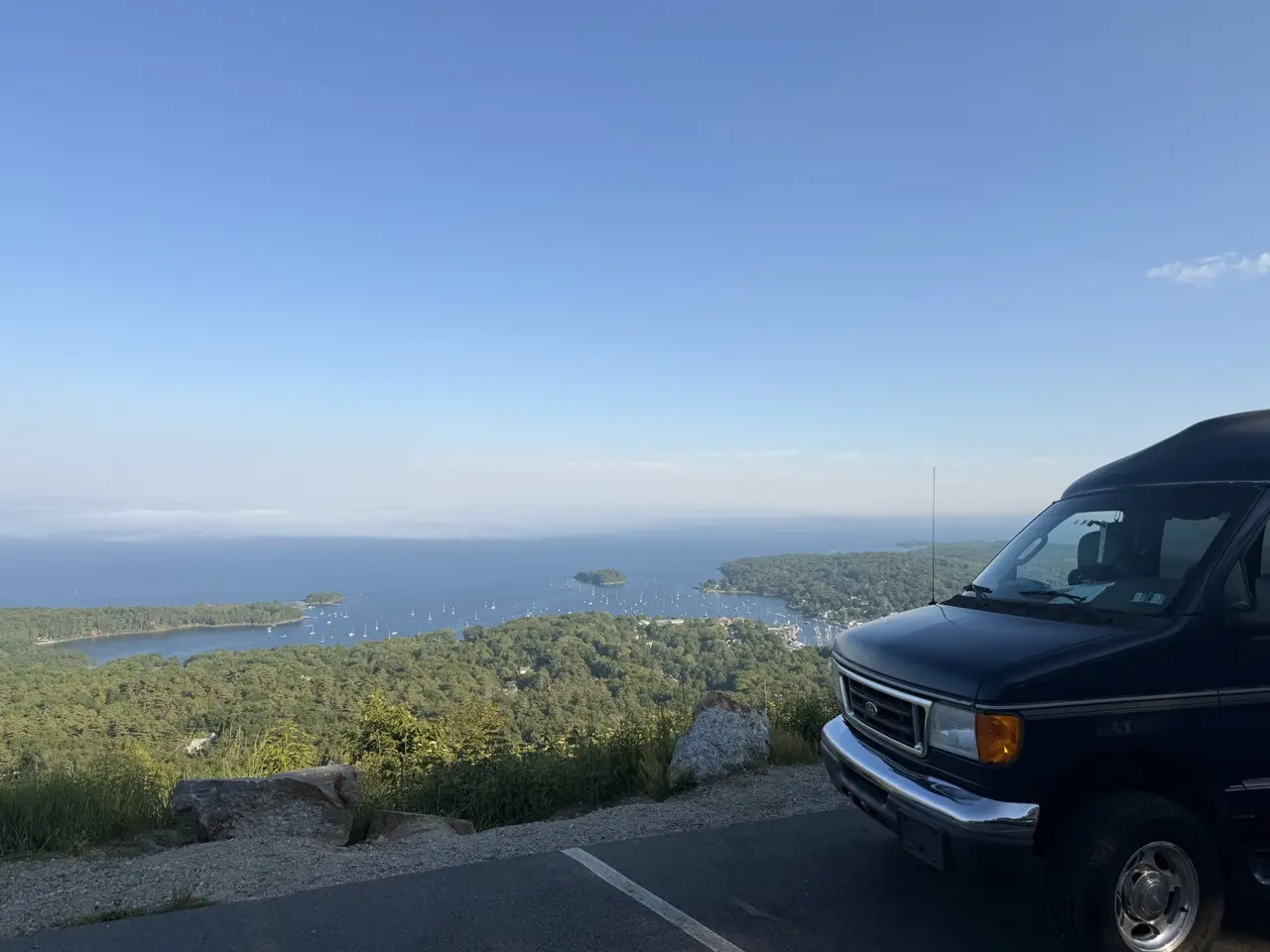
Three months and a few thousand kilometres of East Coast, and the four things that got built along the way.
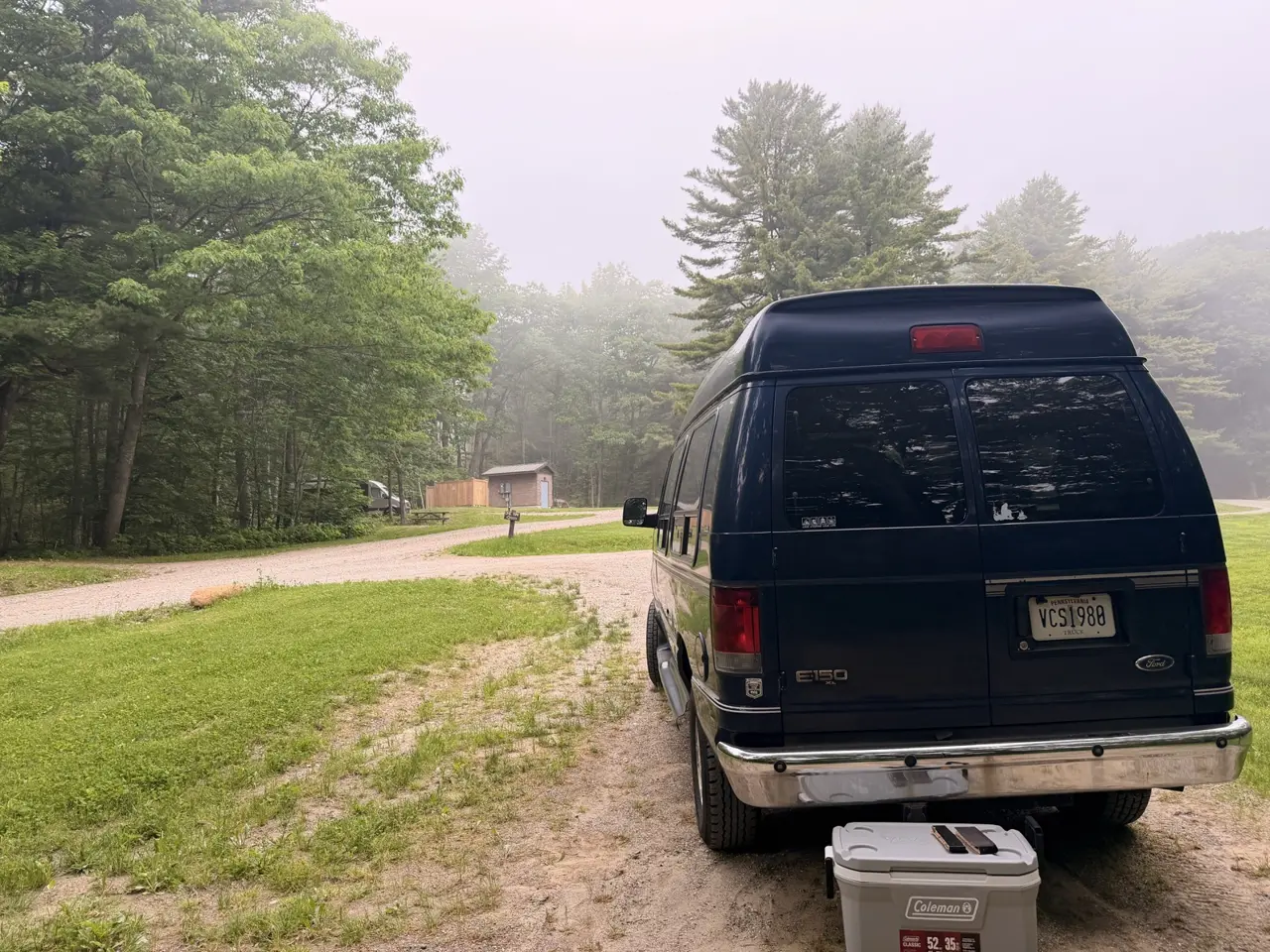
The agent stack that ran my working life from a van, and the honest downsides nobody puts in the demo video.
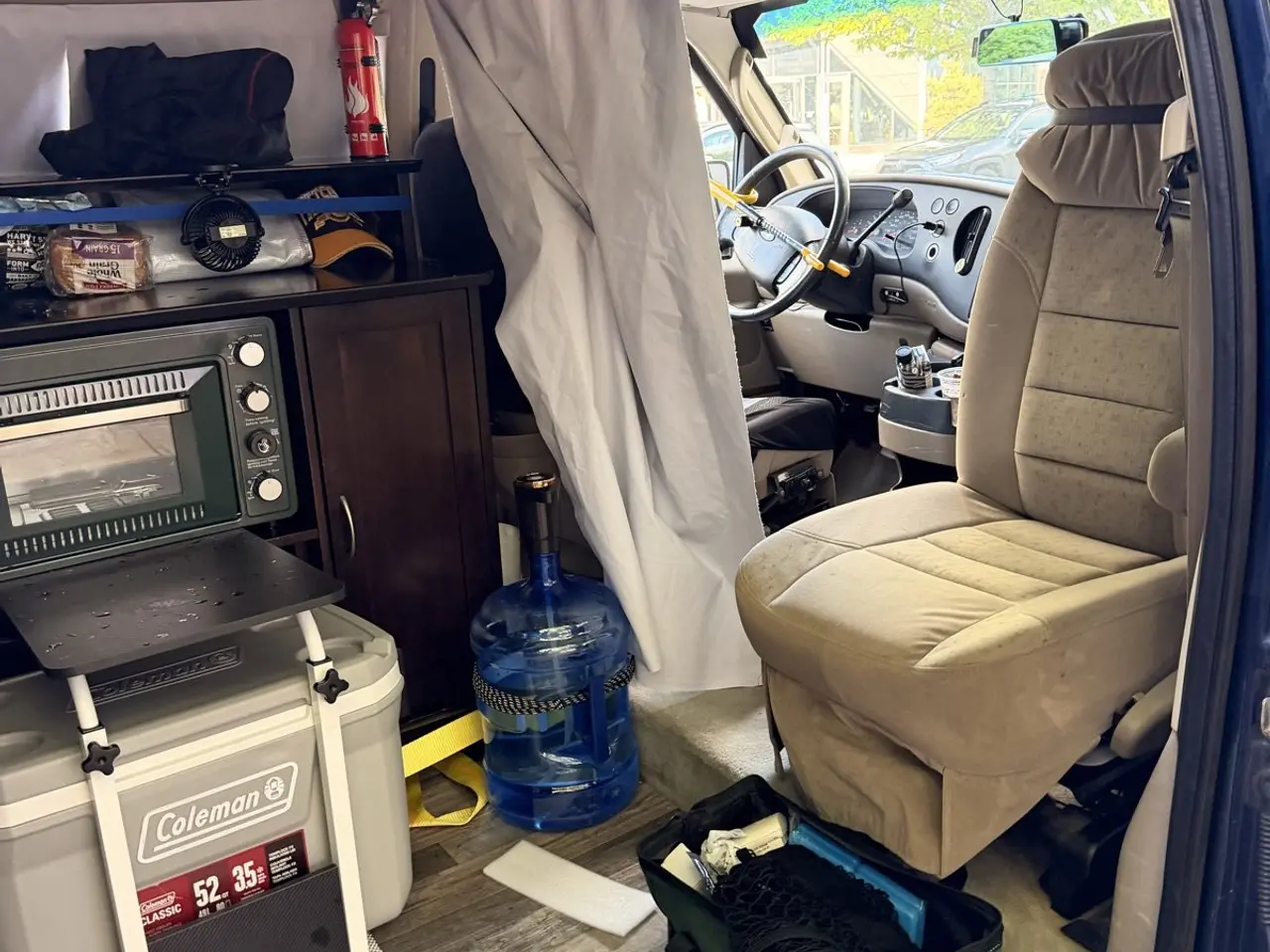
Two weeks turning an ex-accessibility van into a bedroom, office and kitchen, plus the two boss fights nobody warns you about.
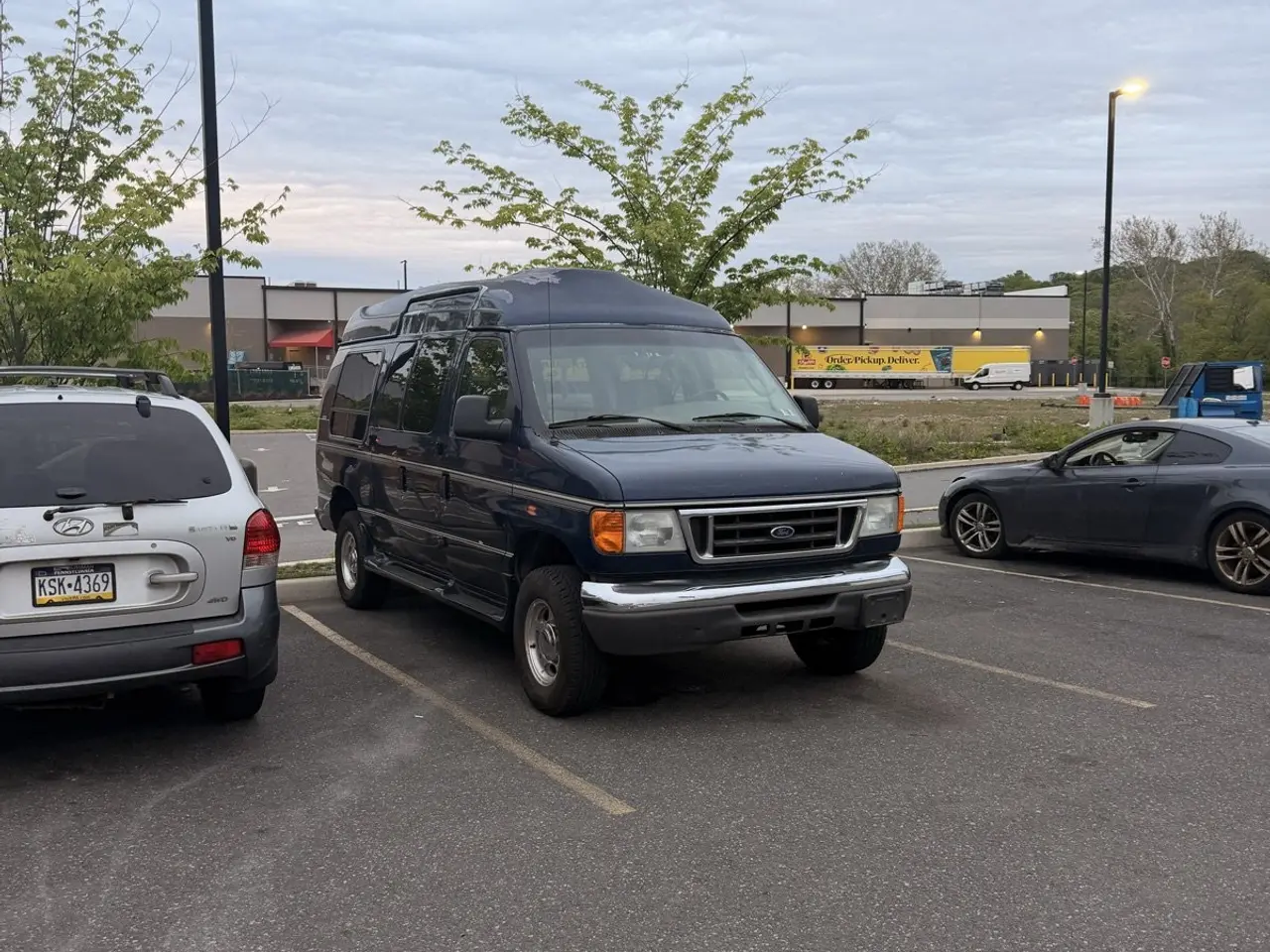
I landed in Boston with three months ahead of me and a budget US accommodation was about to eat alive. So I put an AI agent to work hunting vans.
— 2025
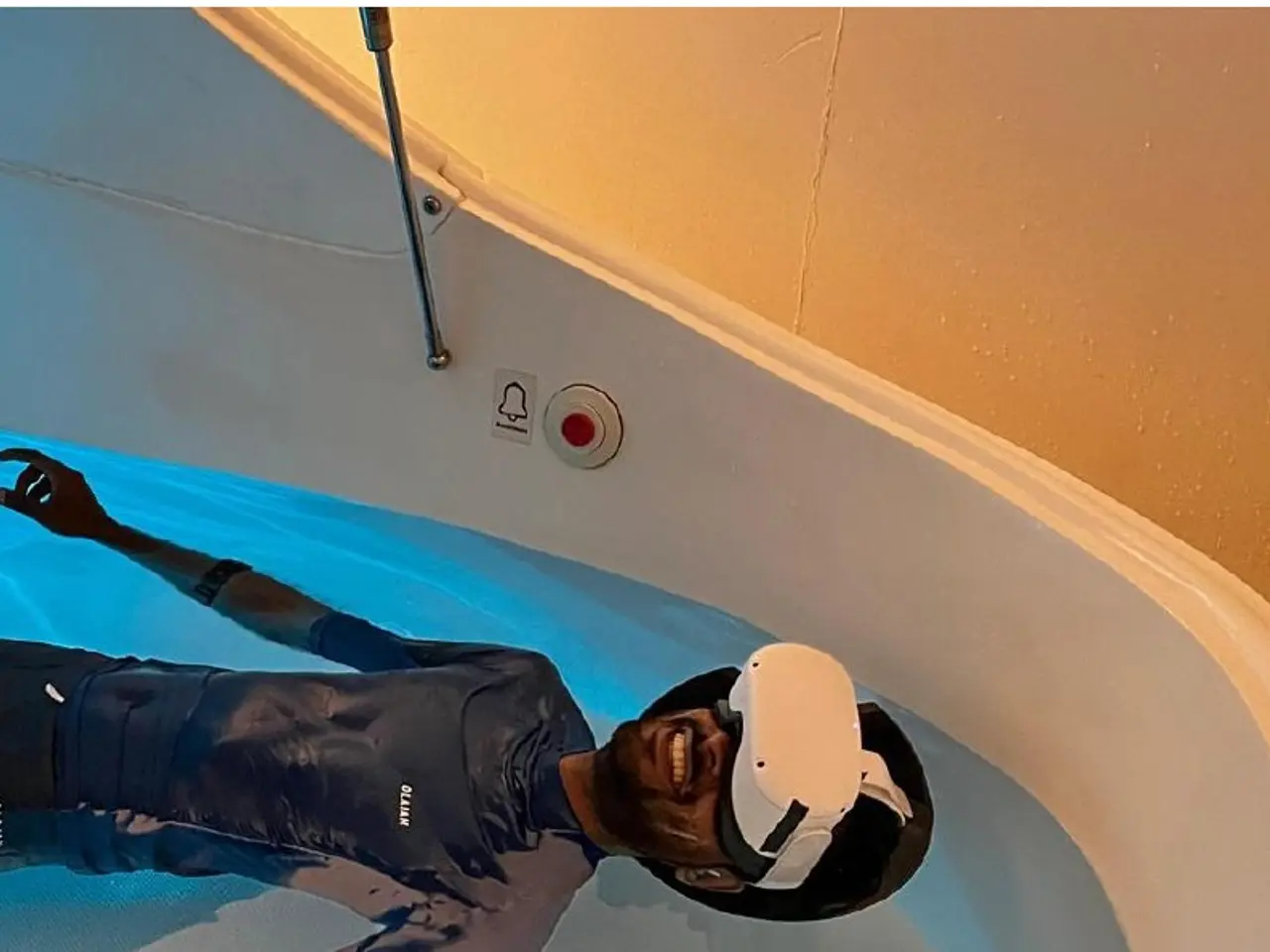
I did not go looking for customers. A float club in Singapore watched us run a study in their tank and asked whether we could build them something.
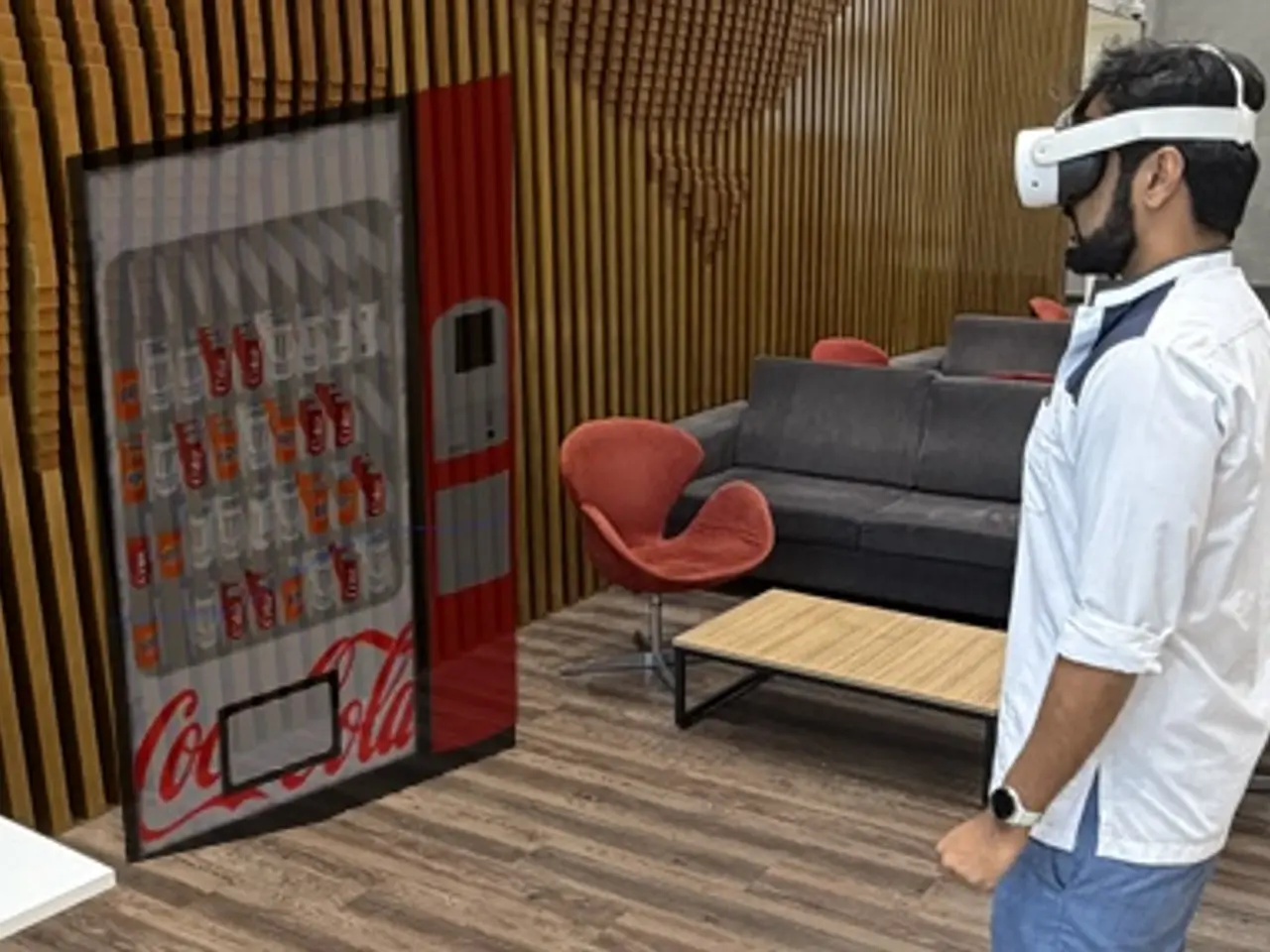
Your watch reports heart rate variability as a number at the end of the day, when you can do nothing with it. EmoDrink turns it into one suggestion.
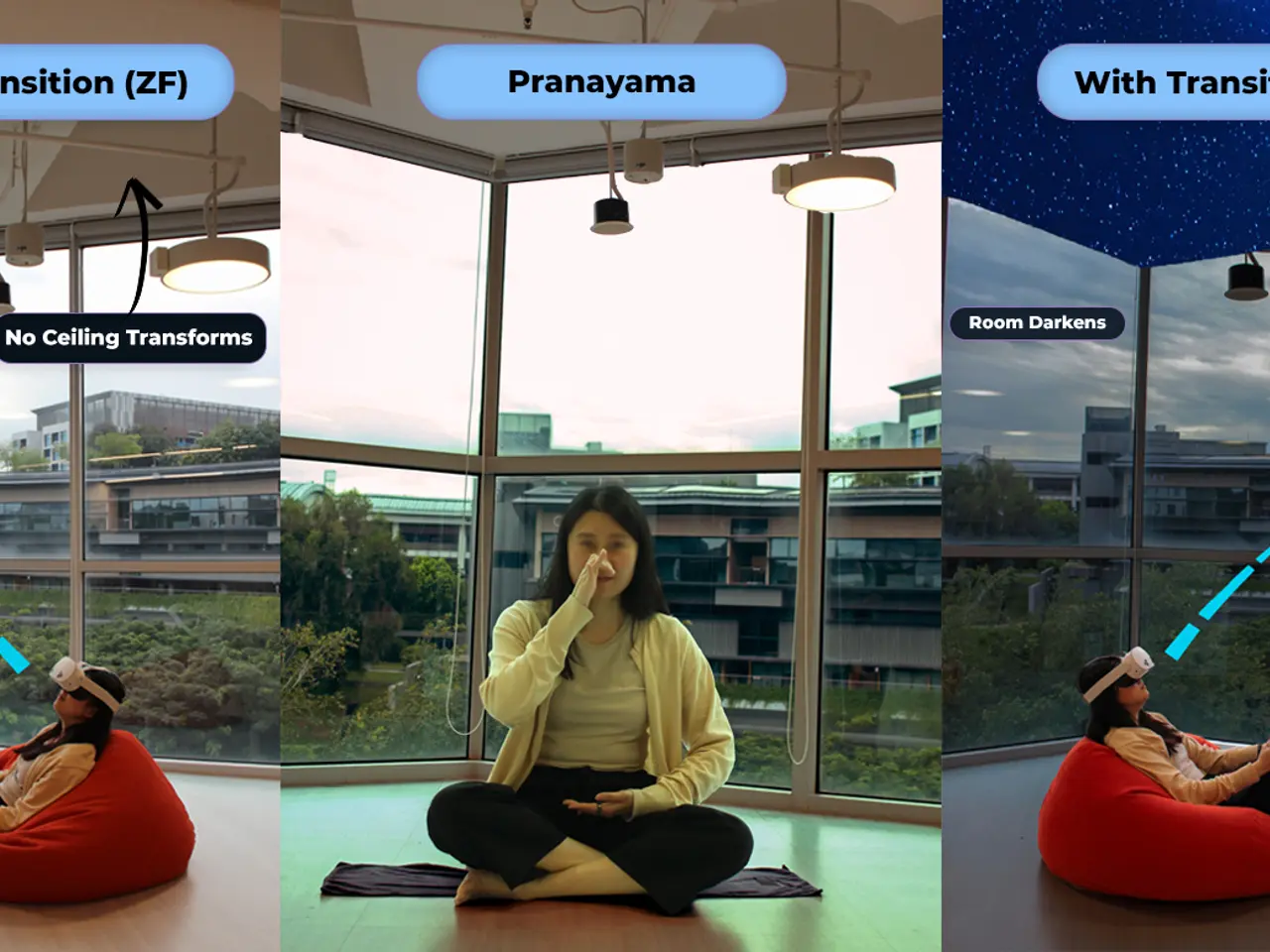
An MR system that gradually turns your room into a starry night sky, co-designed with pranayama practitioners.
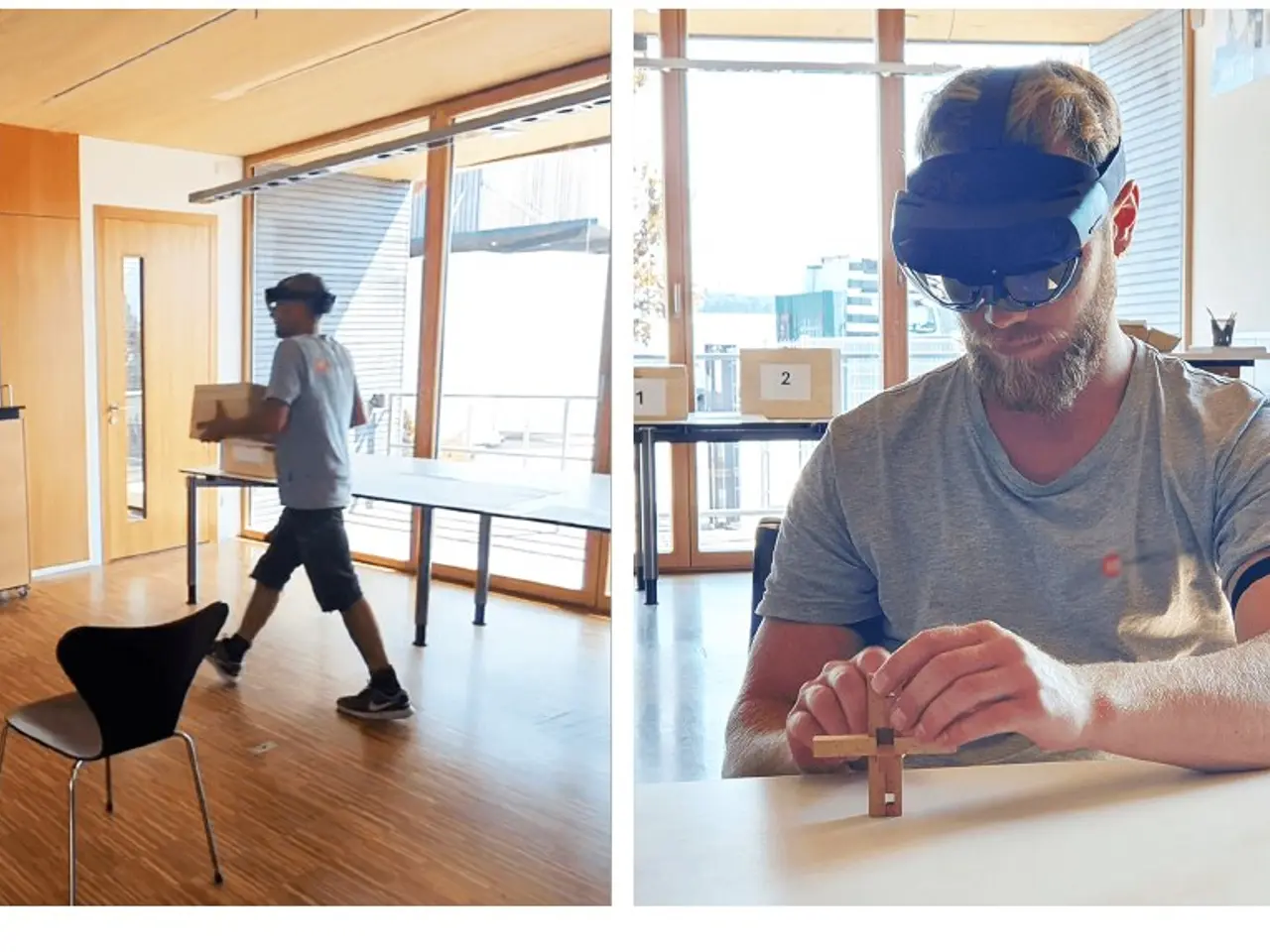
Three papers in one year on the question this series kept running into: once a system knows you are struggling, what should it actually do about it?
— 2024
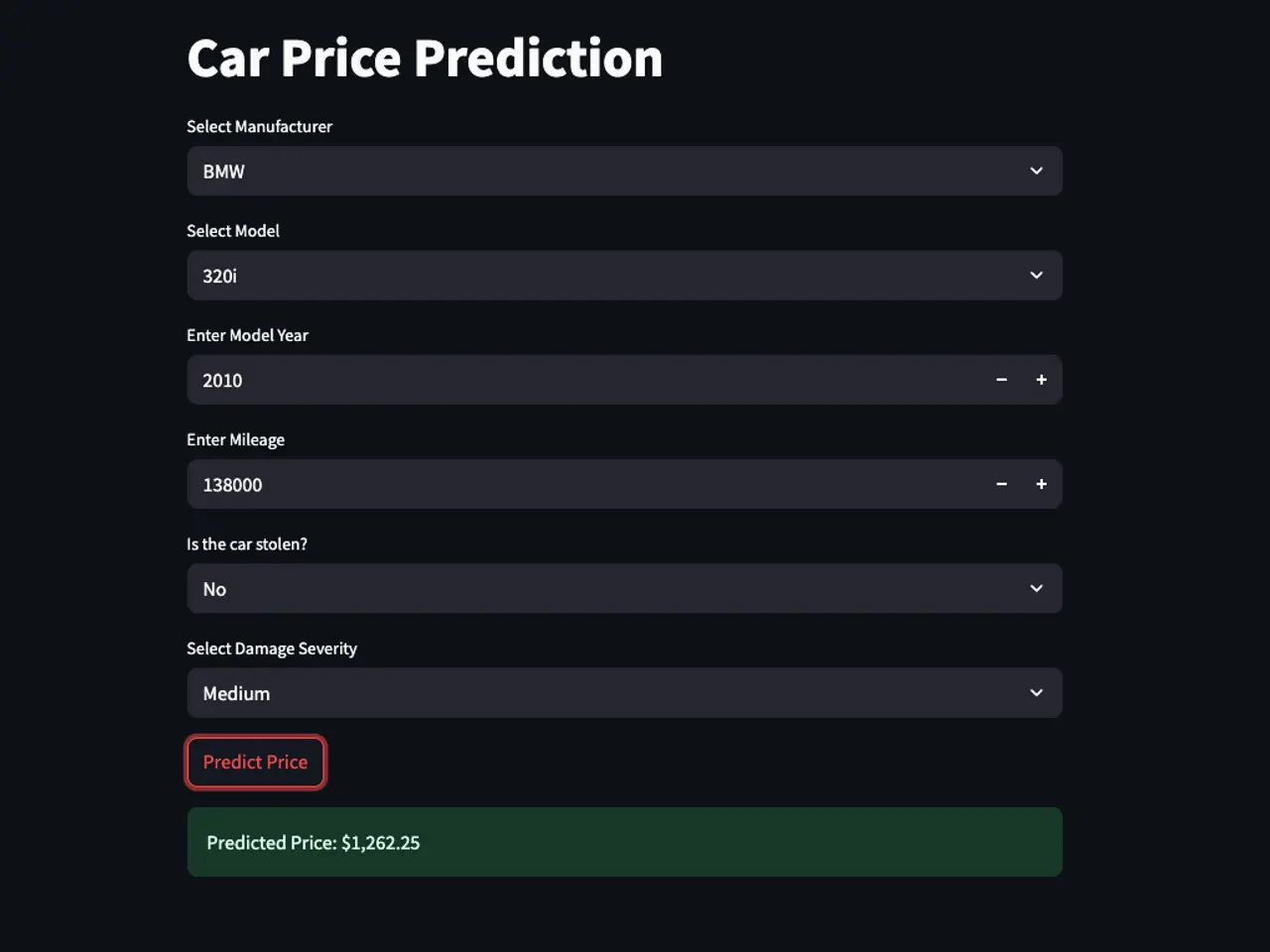
A small side project that evolved from a simple daily crawler into a price prediction tool for New Zealand insurance auctions.
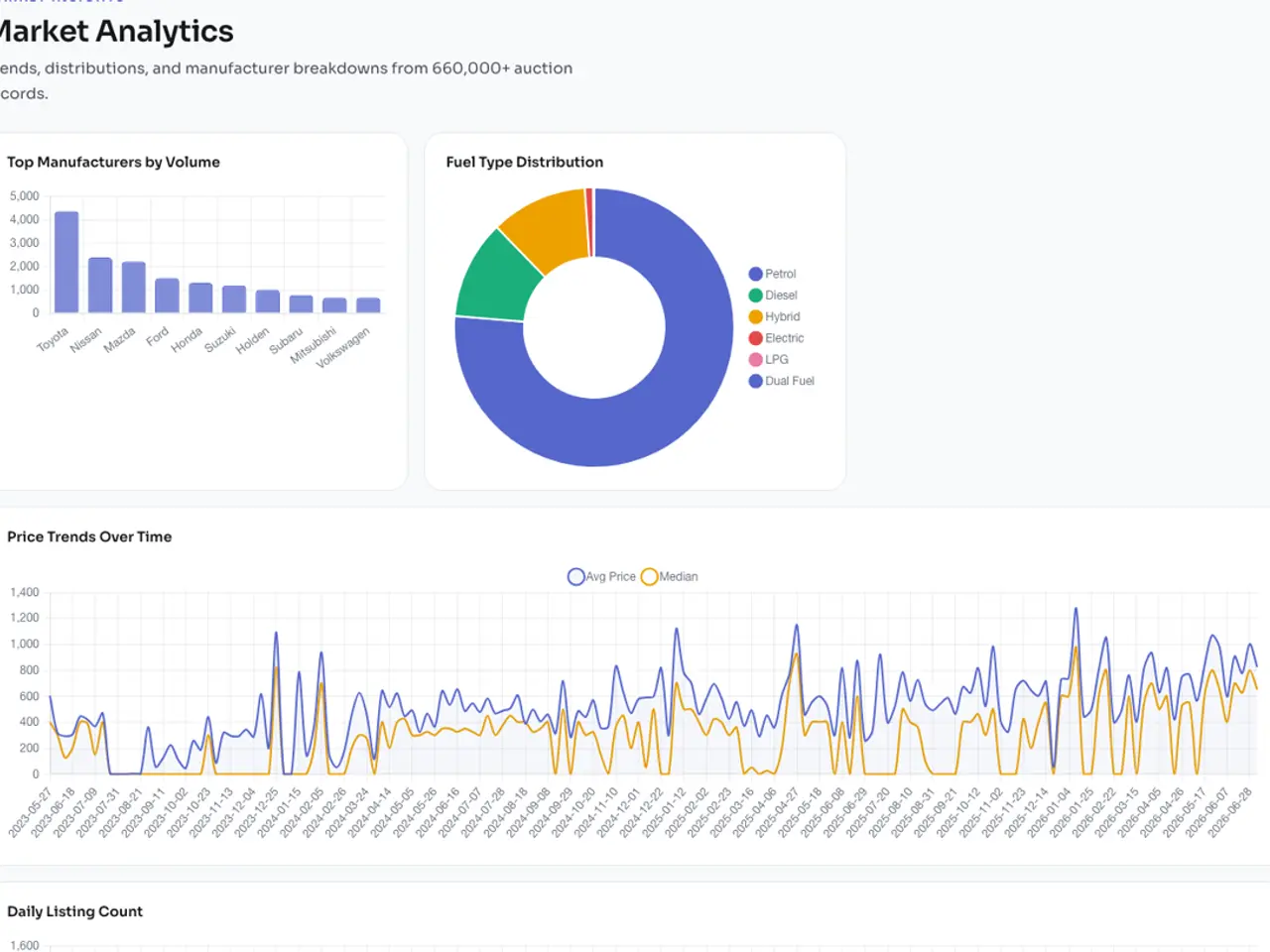
What 1,100 days of NZ salvage auctions reveal, and how FindCars NZ serves interactive charts and a free JSON API from a purely static site.
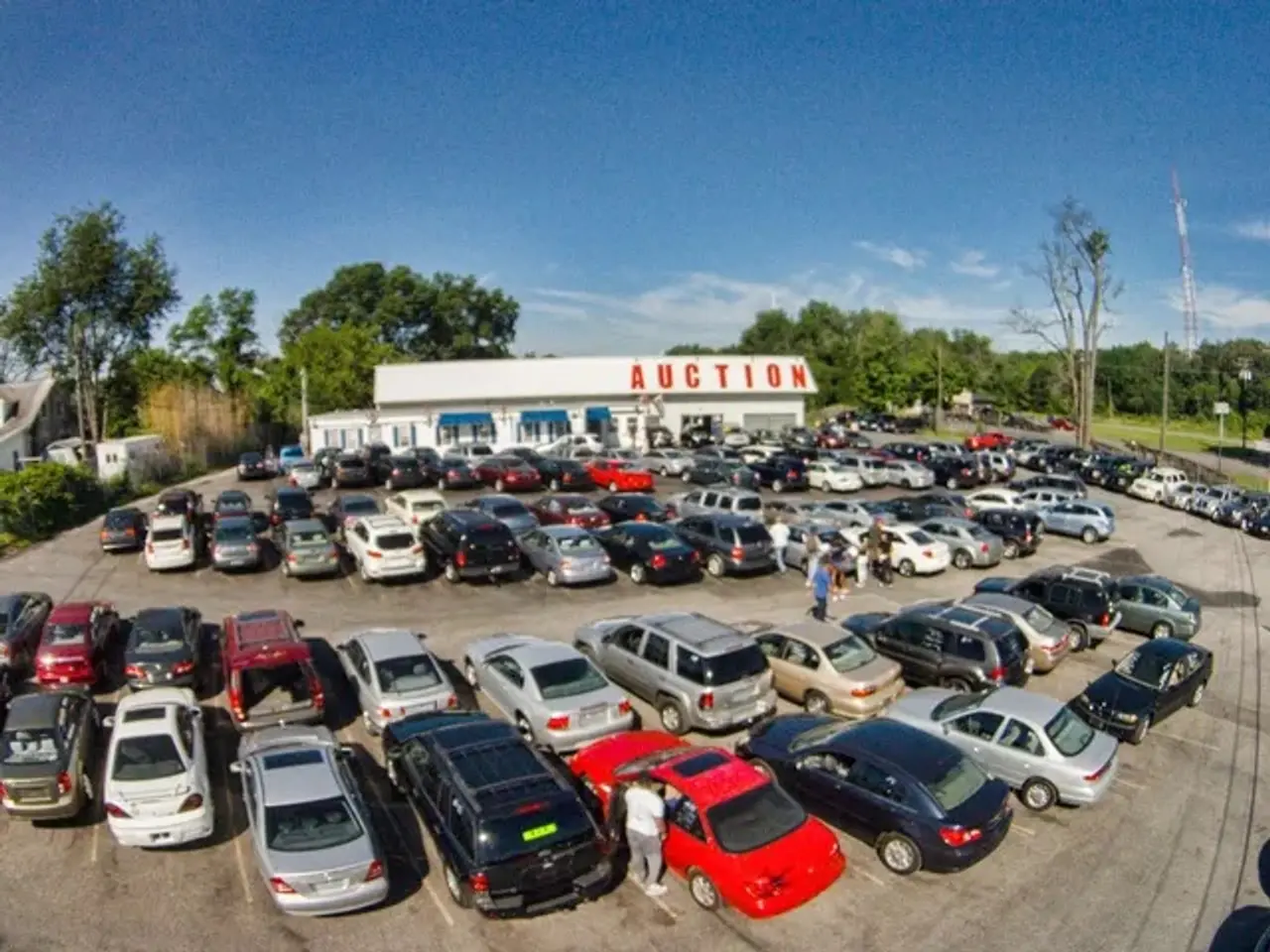
How a small daily crawler pointed at New Zealand's insurance auctions grew into a three-year, 660,000-record public dataset.
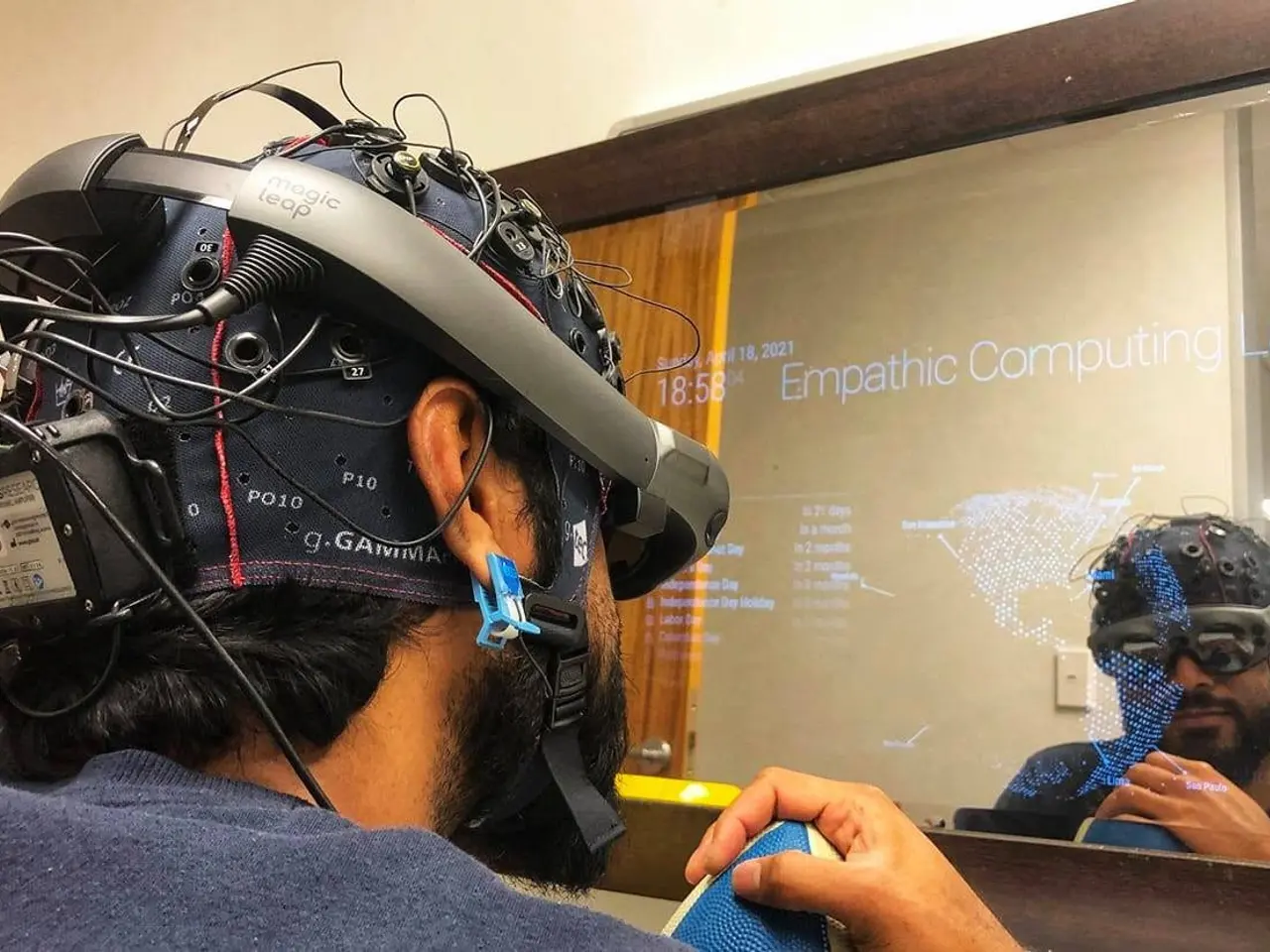
Three years of strapping sensors to people, and the signal was in the hand tracking the whole time. How you reach says something about your cognitive load.
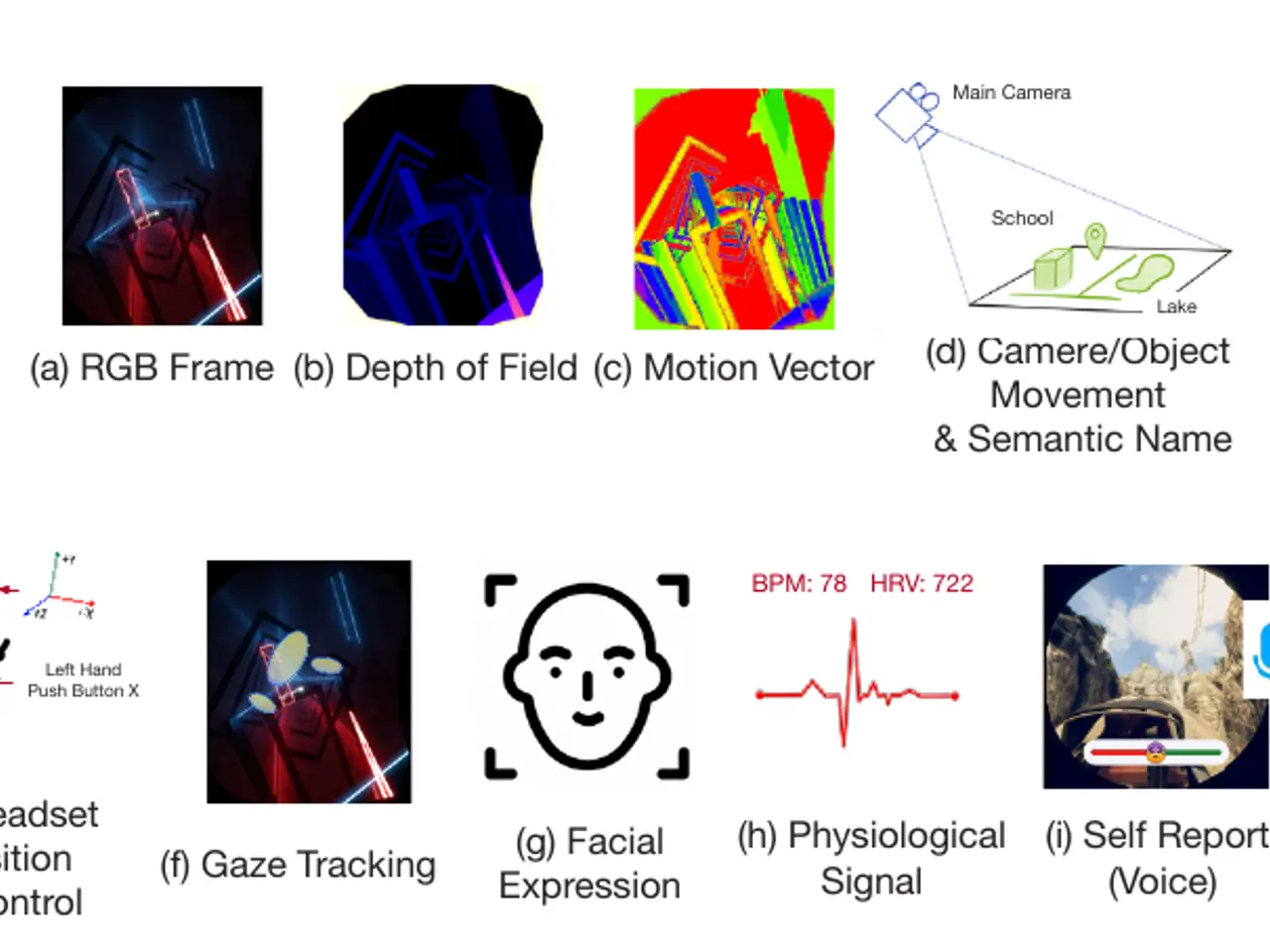
Every model for VR motion sickness was trained on under two hours of video. The fix was not a better model, it was patching 100 commercial games.
— 2023
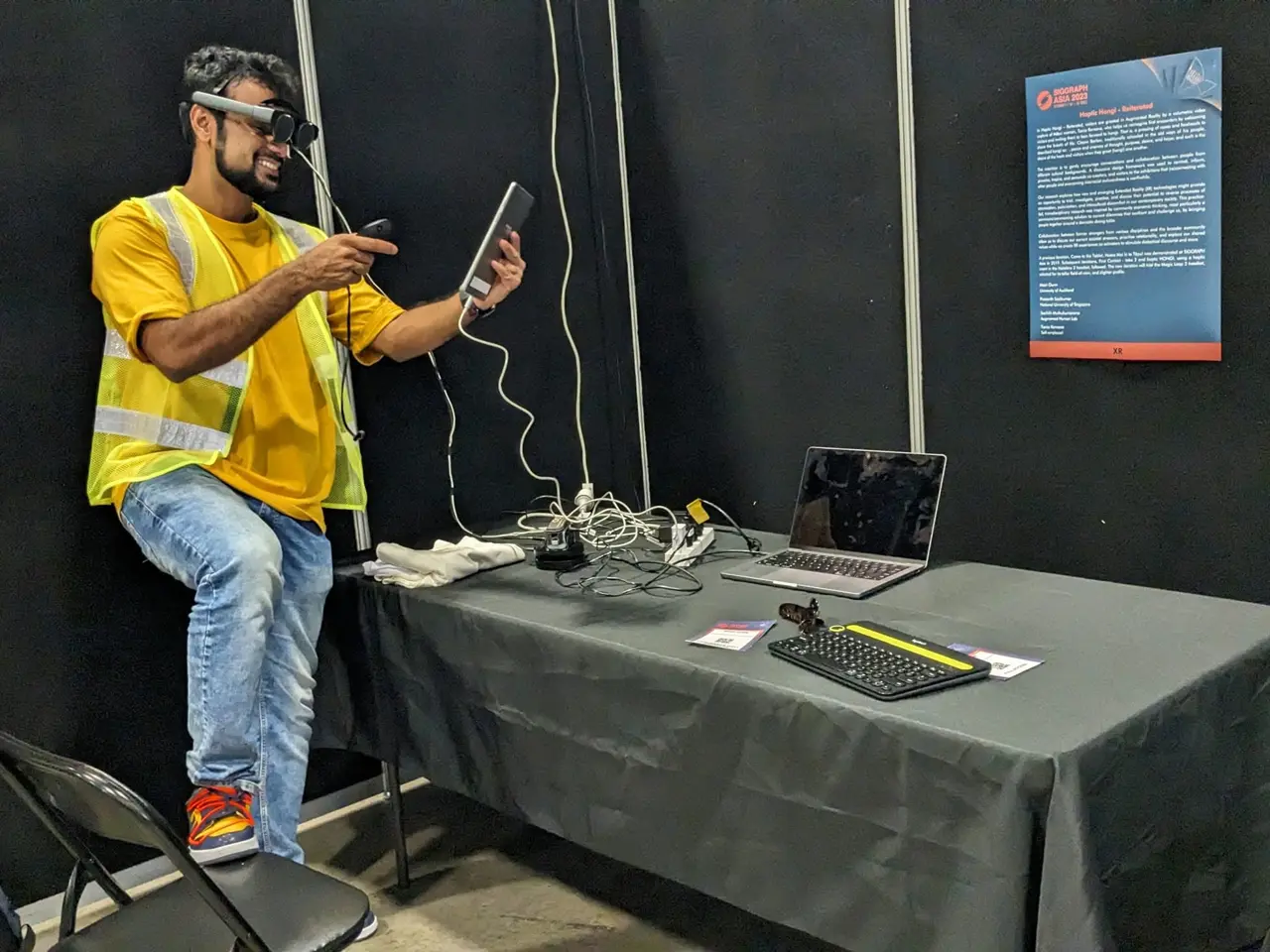
Four years on, the project came back to SIGGRAPH Asia on a Magic Leap 2, with a capture pipeline light enough to fit in a suitcase.
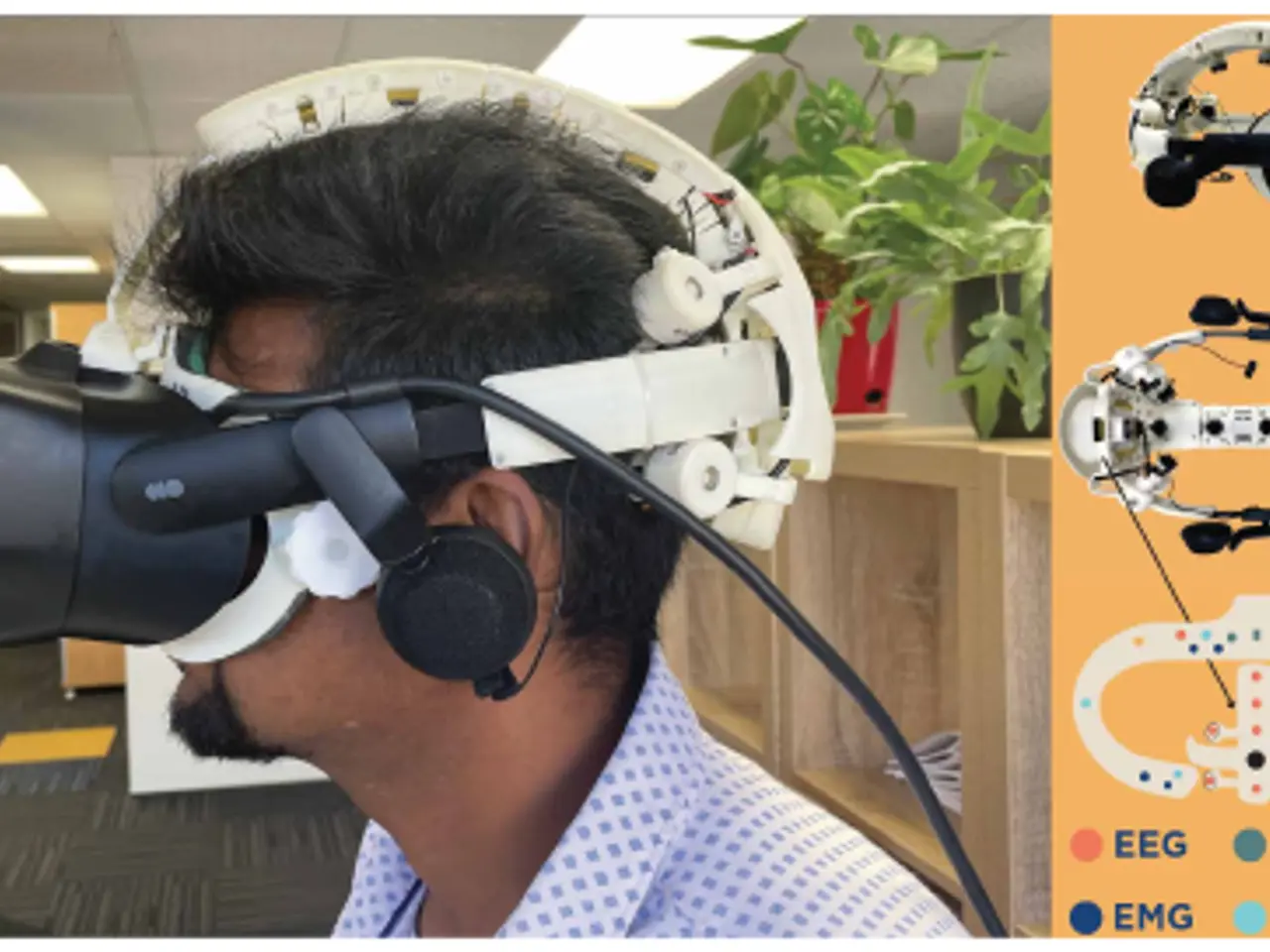
A VR photo walk where the sky tints red when you get stressed and the companion beside you changes its voice. The world responds instead of reporting.
— 2022
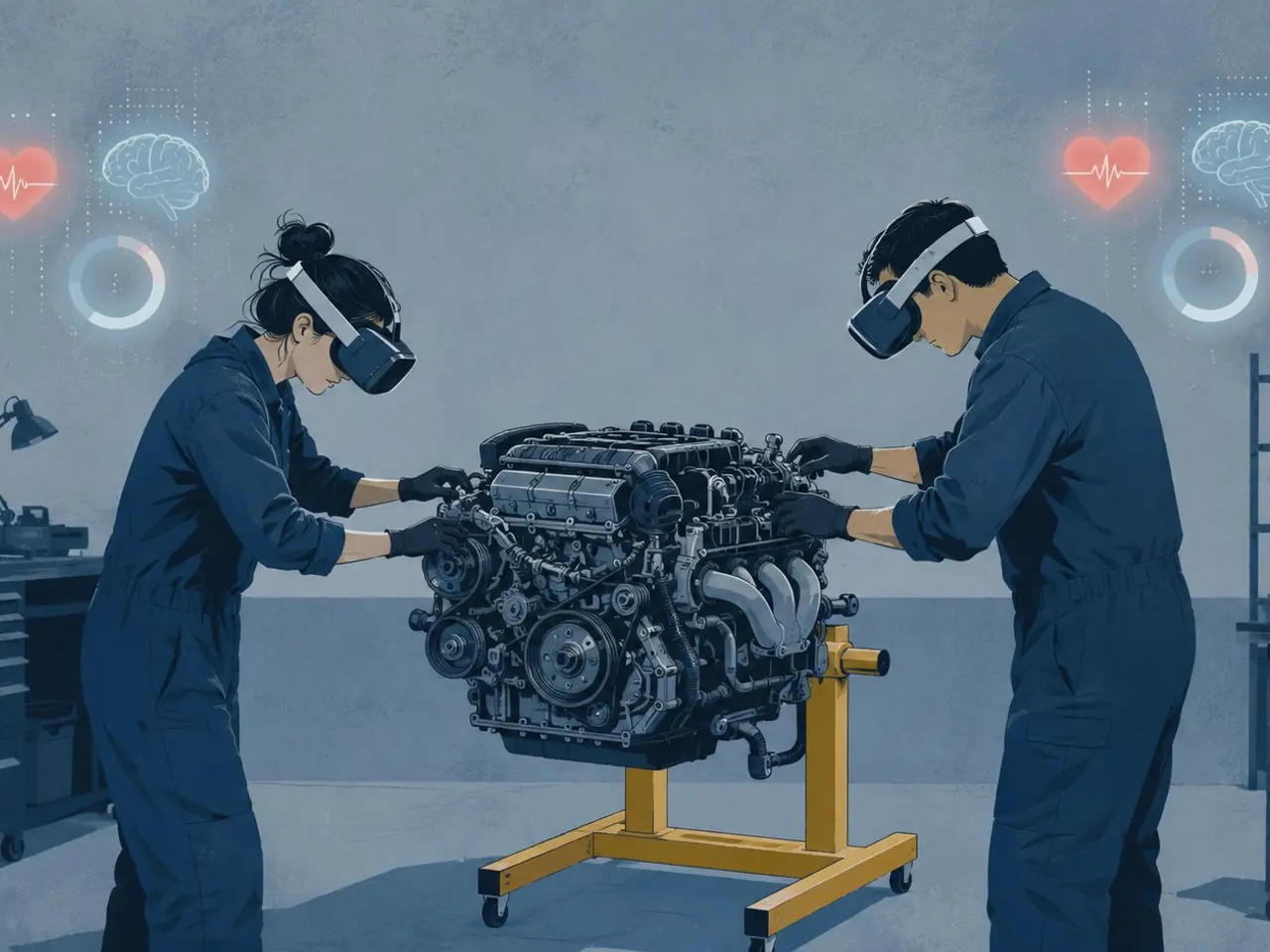
In 2022 I argued that VR should share heart rate, cognitive load and attention. Two years later we tested it on 28 people, and nobody looked.
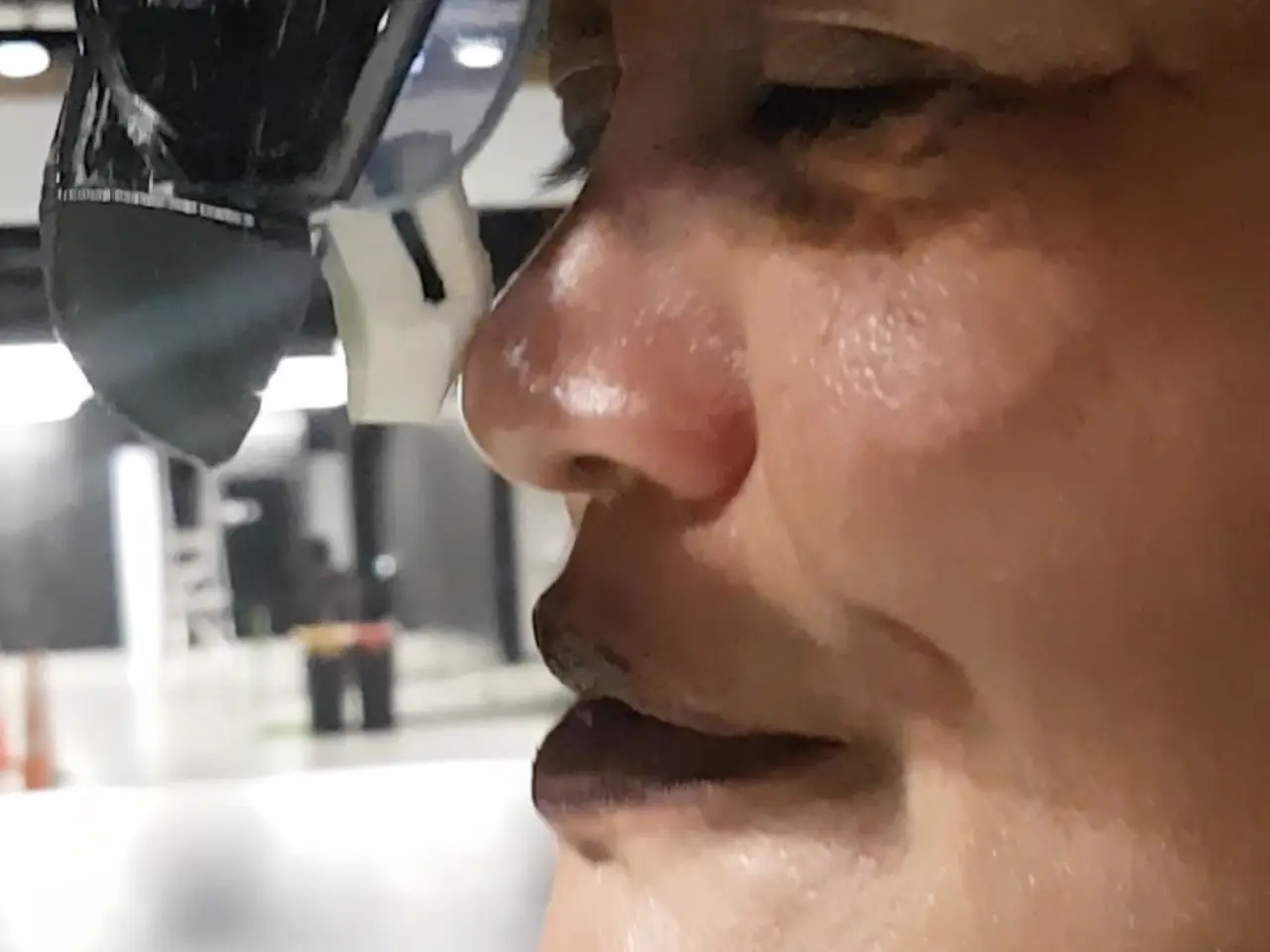
In a hongi, foreheads press together and breath is shared. You cannot do that with a hologram, unless you bolt an actuator to the headset.
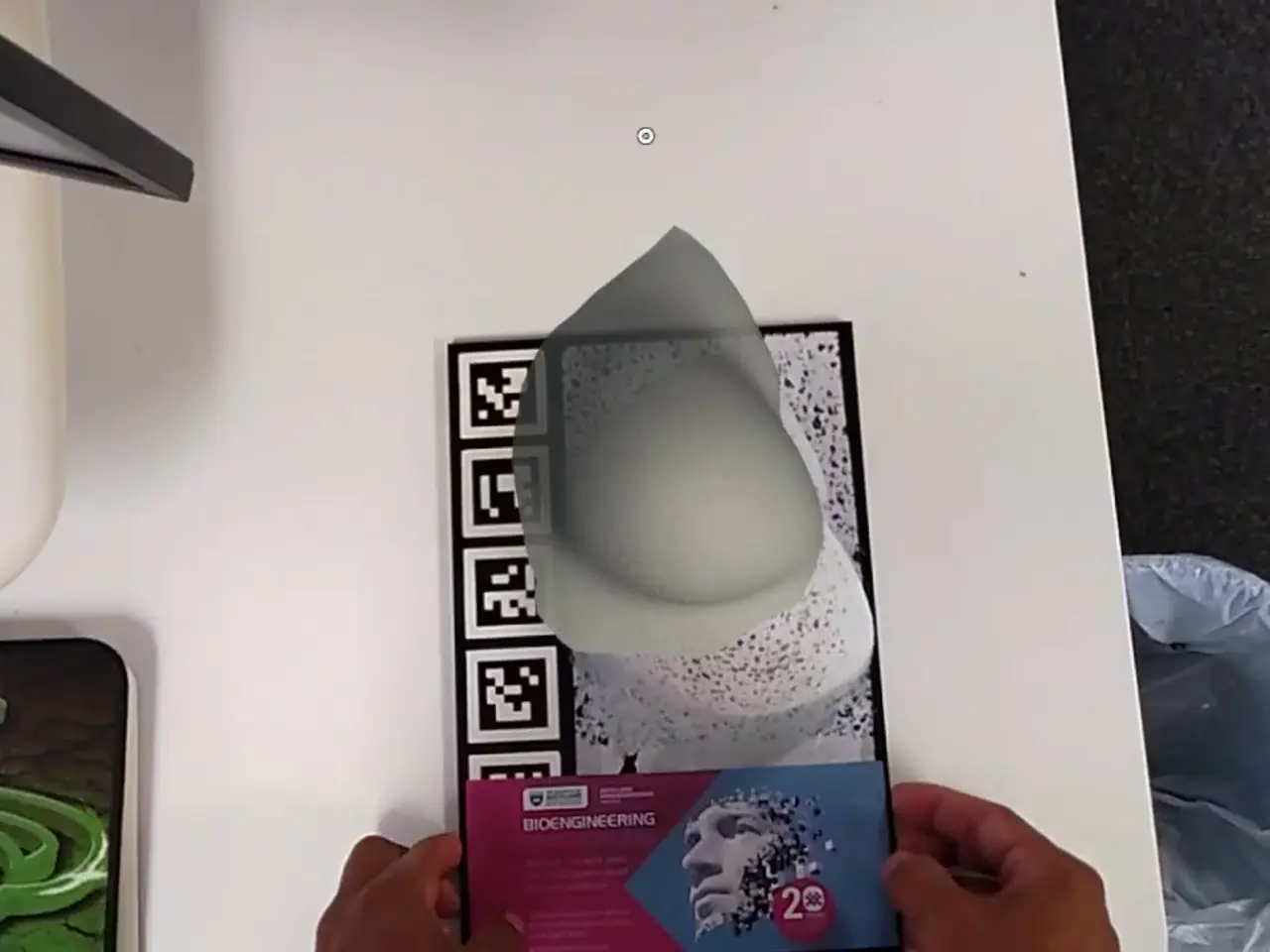
Getting a breast tissue model out of the solver and onto a silicone phantom on a desk, seen through a HoloLens 2, and making it stay there.
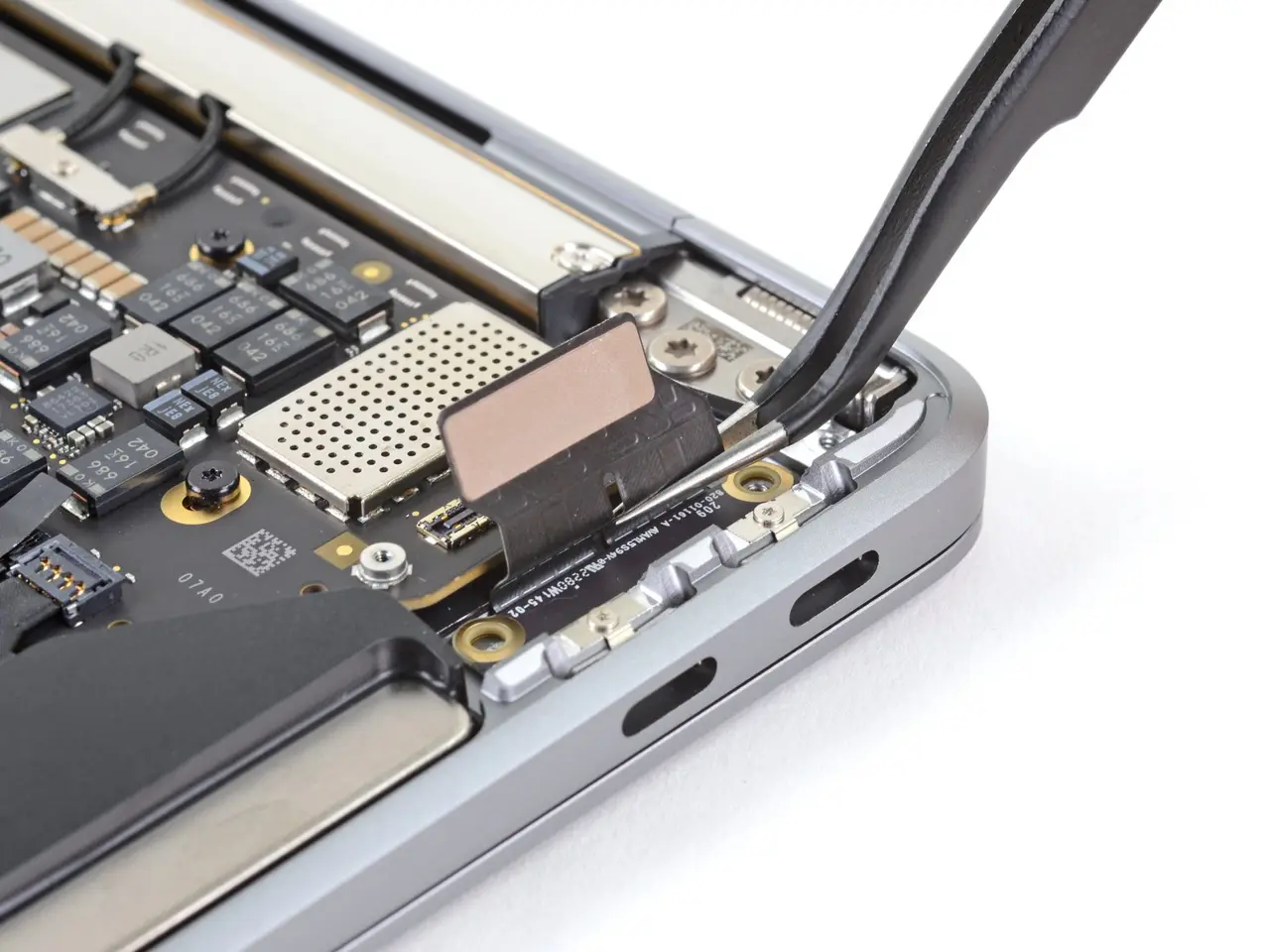
A dead MacBook port and a smashed phone screen, both fixed in under an hour. The repairs are not the interesting part; what the savings turn into is.
— 2021
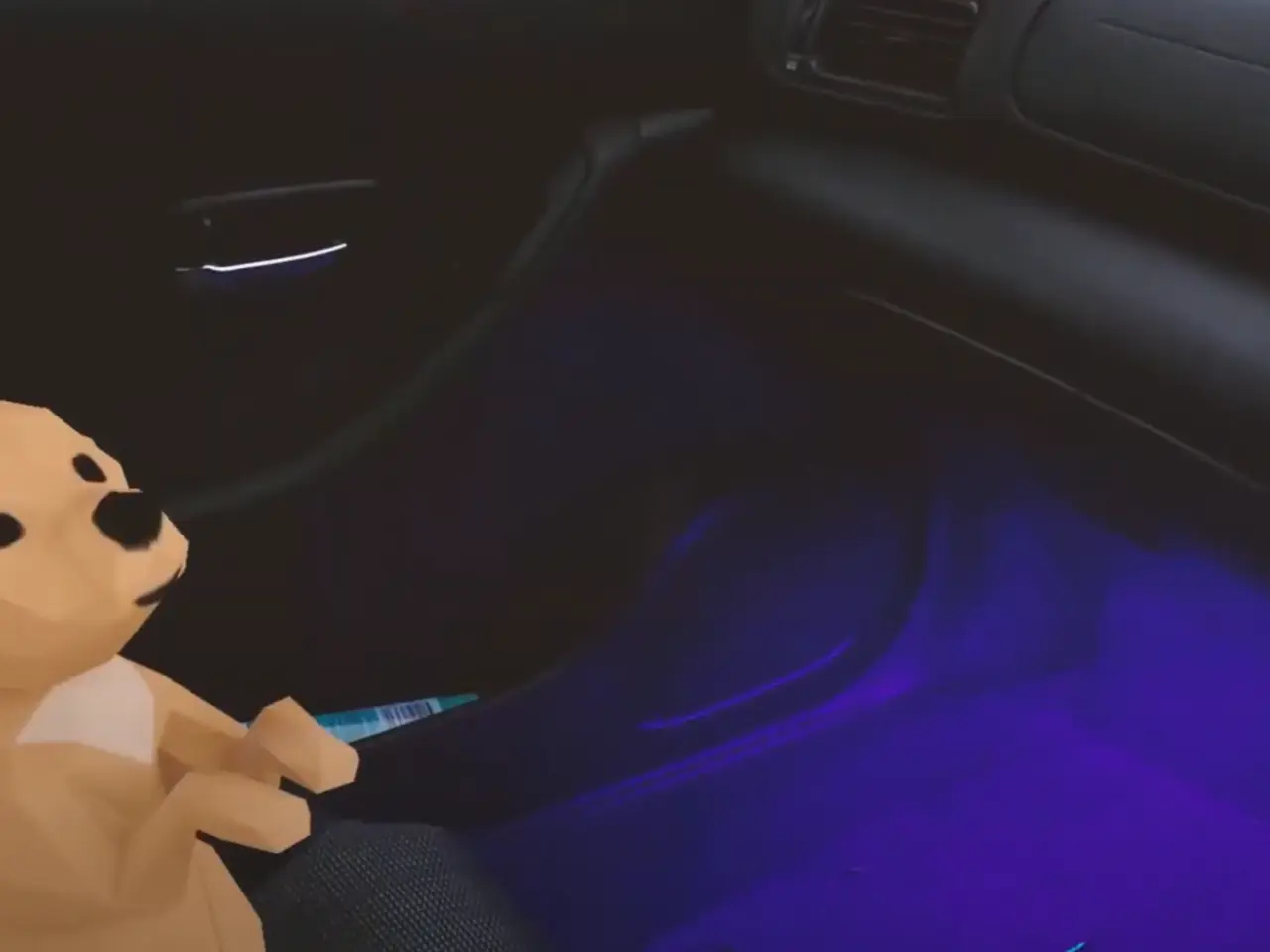
A low-poly golden retriever that lives in your room instead of on a screen, built to find out whether a virtual pet stops feeling like software.

Four years of research assumed everyone owns a headset, then came a pandemic in which nobody did. XRTB puts the VR person on the Zoom grid.
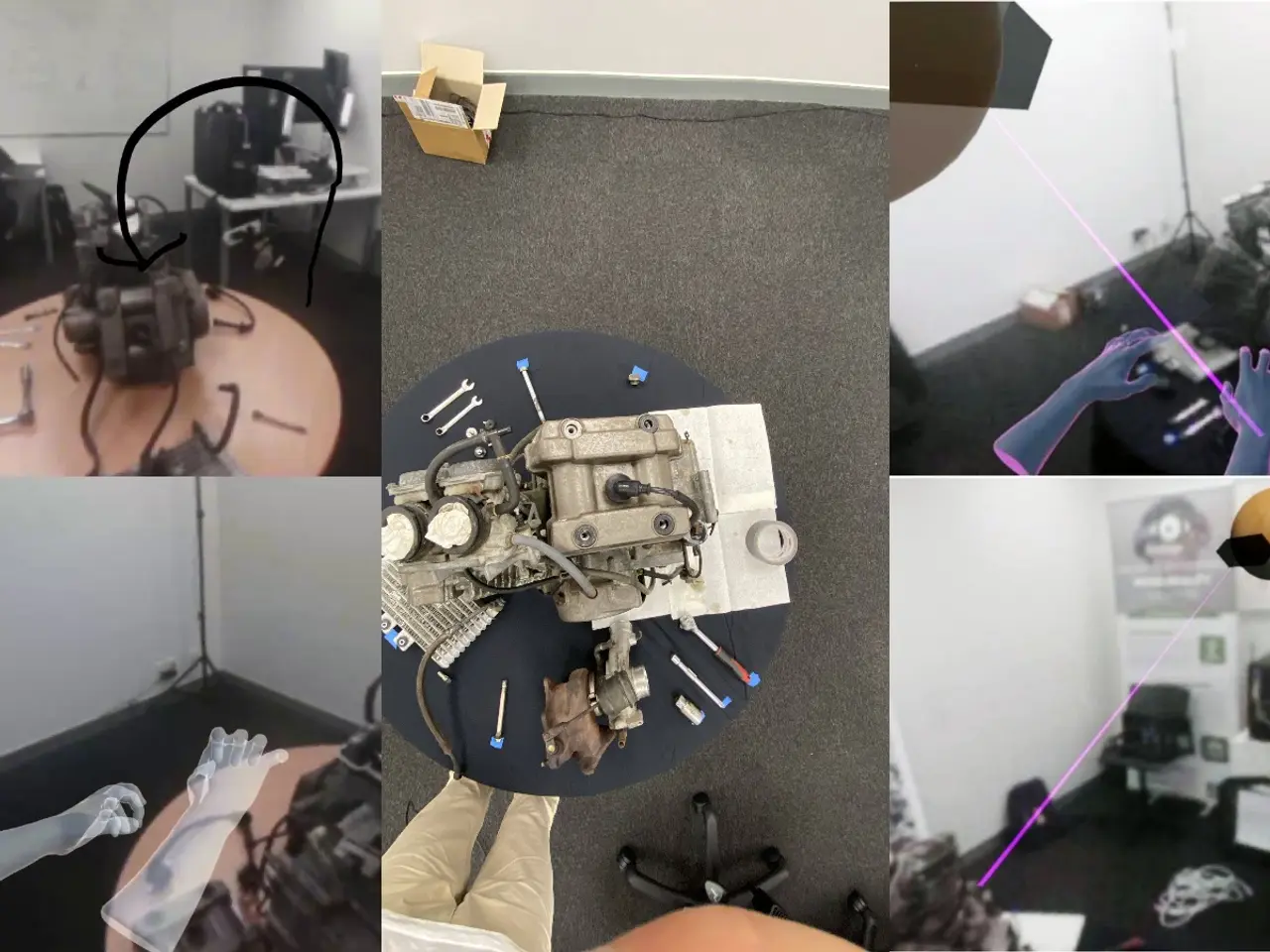
Four ways to show somebody how to service a motorcycle engine, compared head to head. A recording of the instructor beat all of them.
— 2020
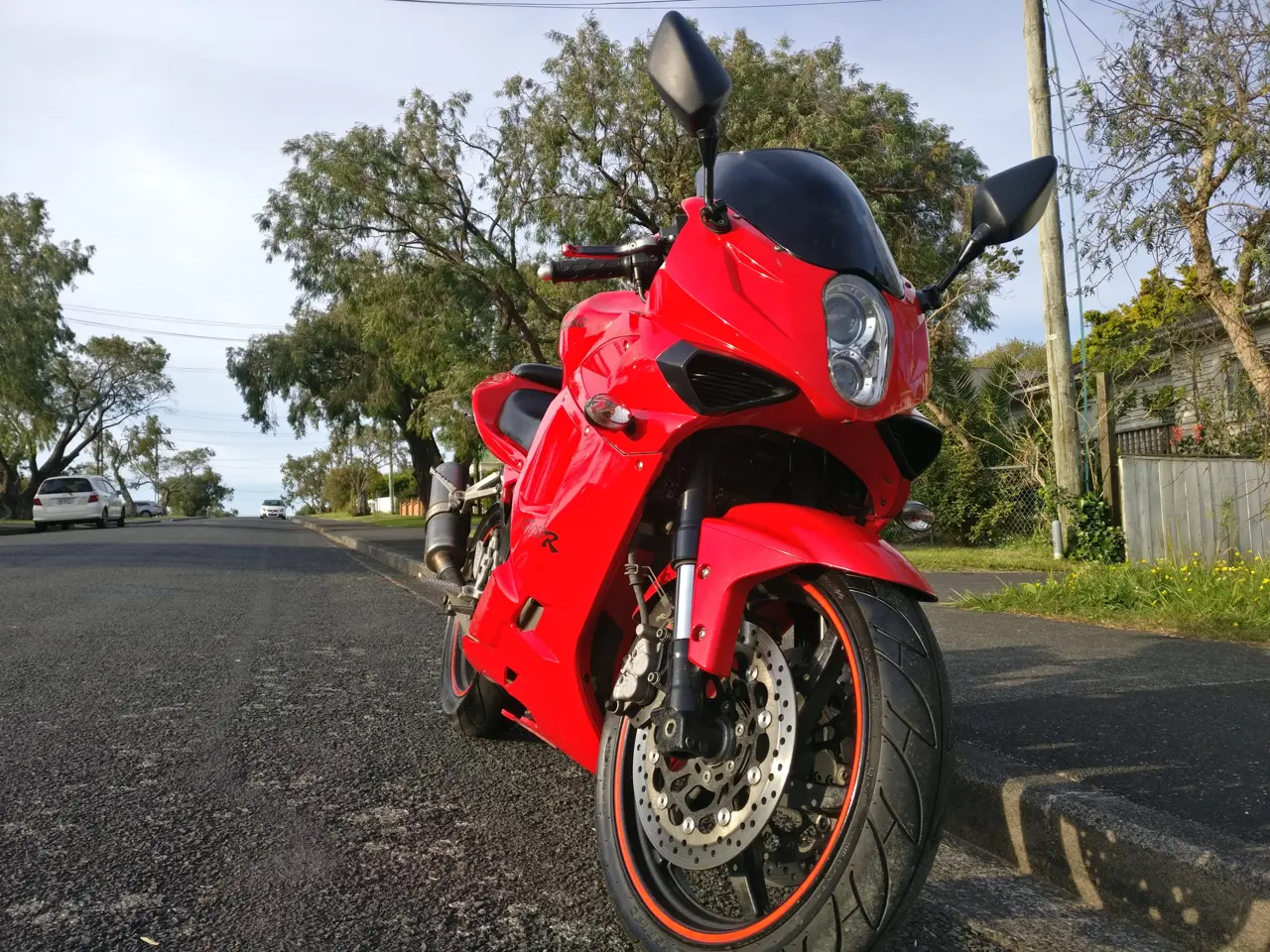
How to have expensive fun with no money. Two auction wrecks, an engine crane doing a job it was never sold for, and a road-legal 250 that cost nothing.
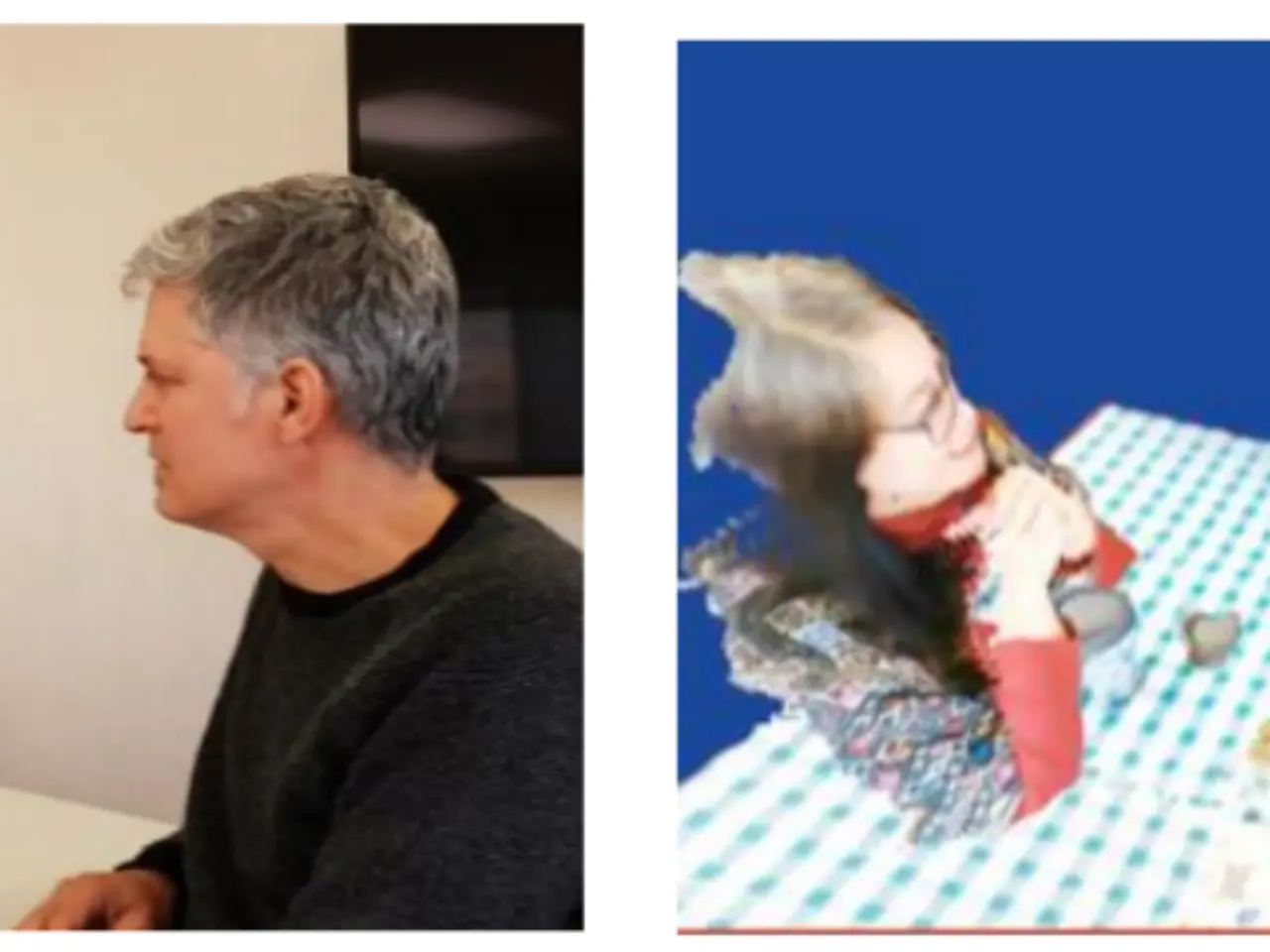
An art installation that uses XR to seat strangers from different cultures at the same table, because the medium is a headset but the aim is real encounter.
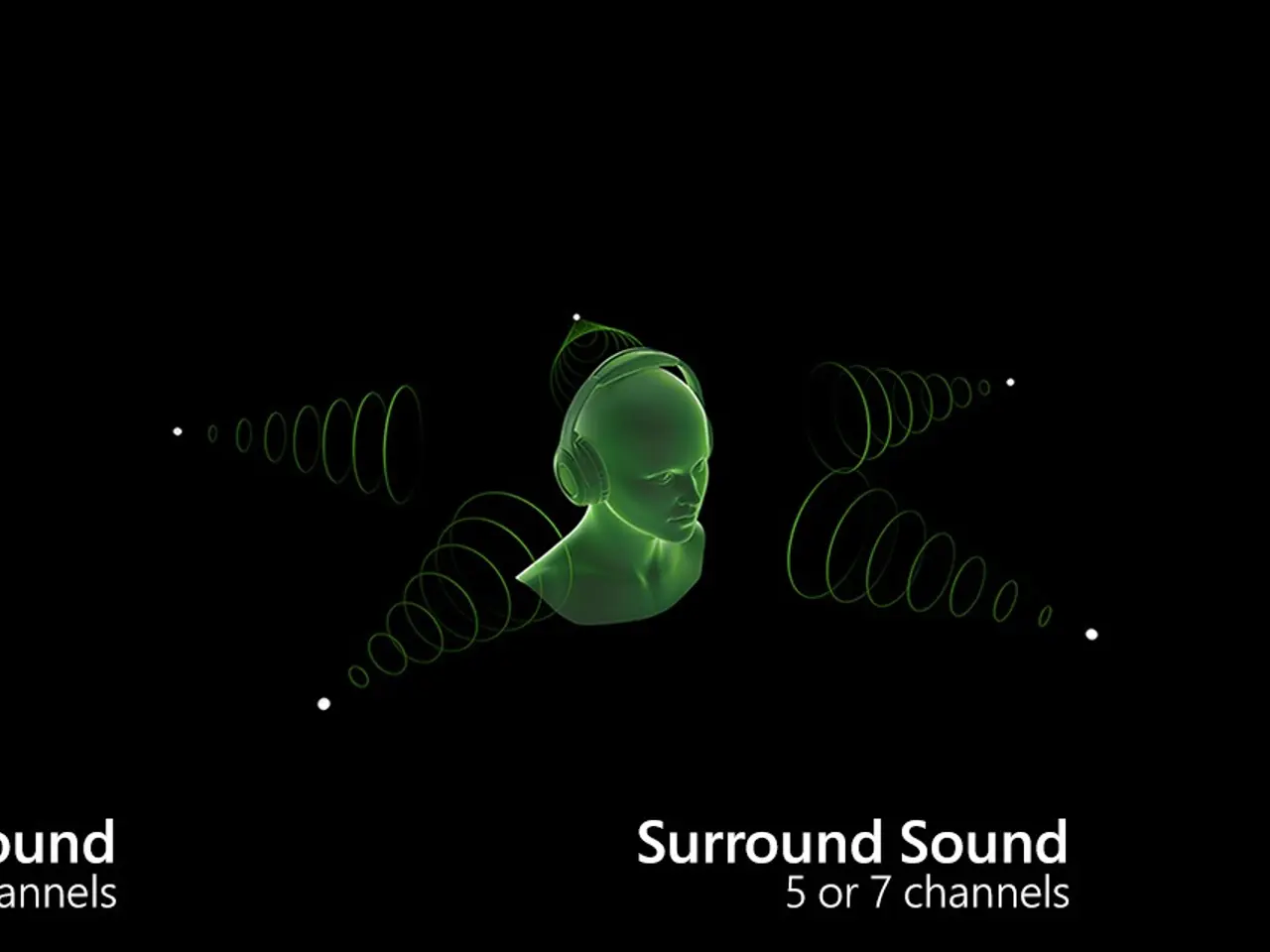
Every visual cue fails the moment the thing you need is behind you. Putting the remote expert's voice in 3D solved what the visual work could not.
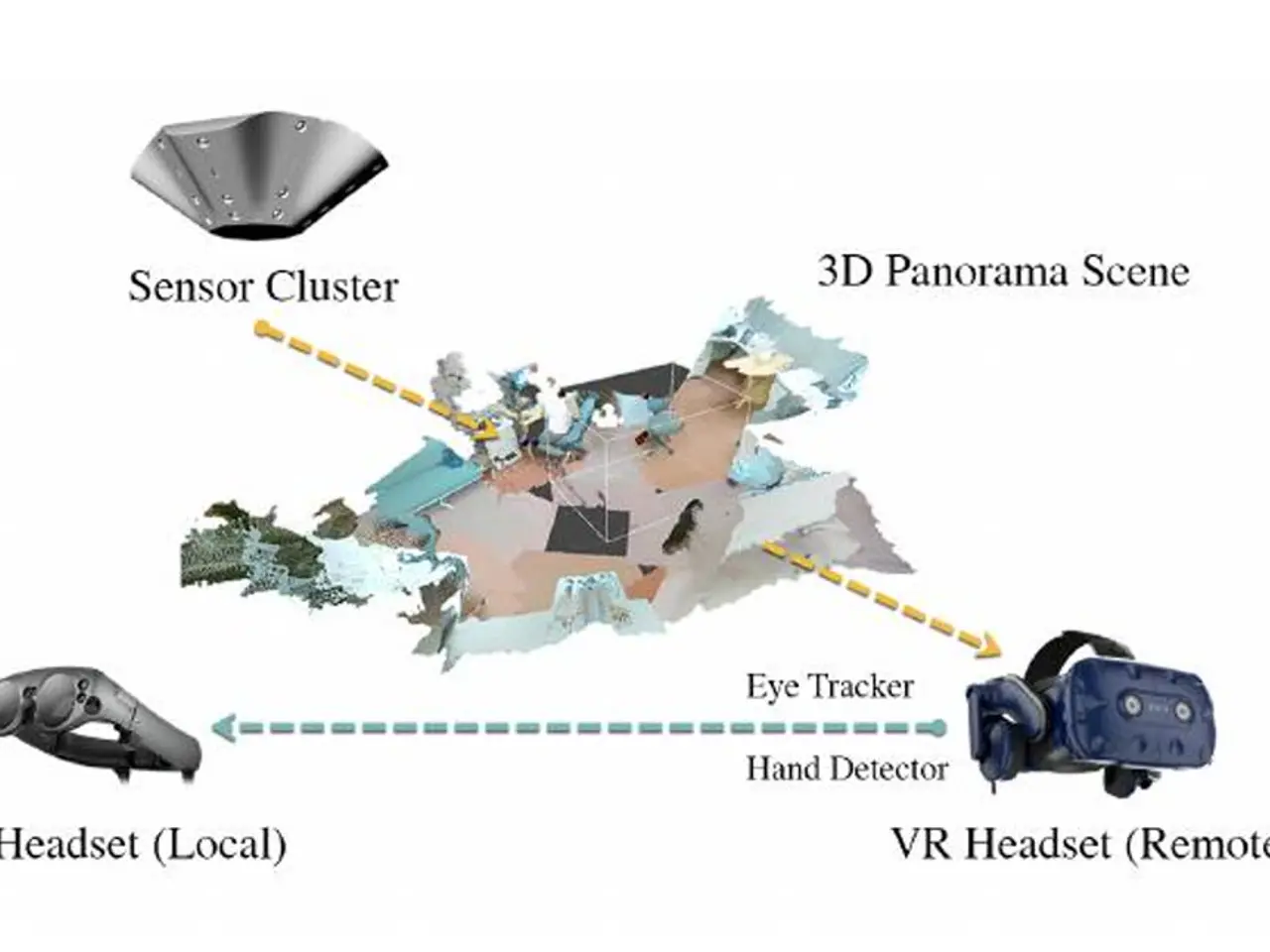
Eight depth cameras and a study built to separate eye gaze from hand gesture instead of shipping them as a bundle. The answer was not the expected one.
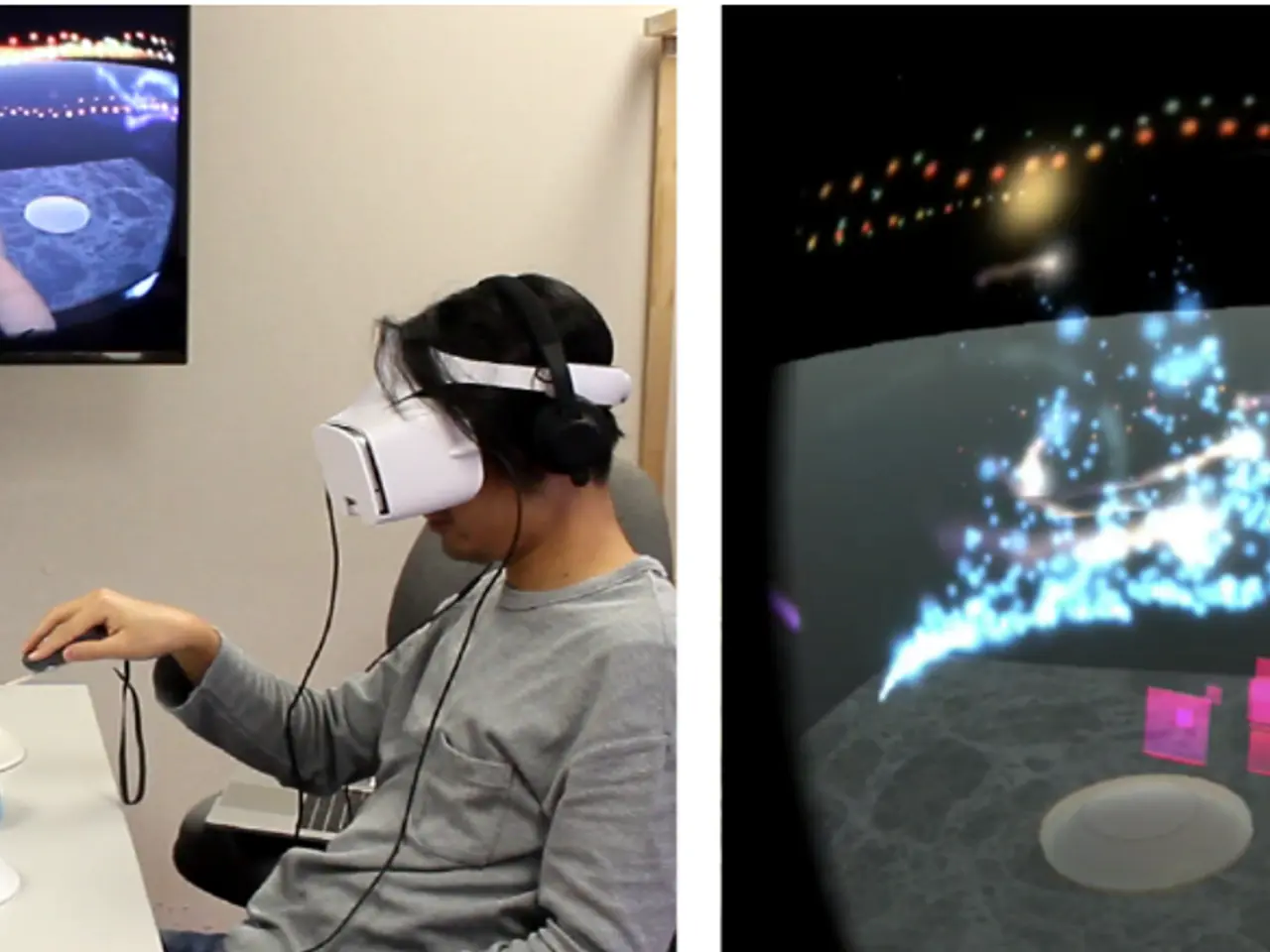
Leveraging cognitive synchronization to create a collaborative music production experience with immersive visualization in virtual reality.
— 2019
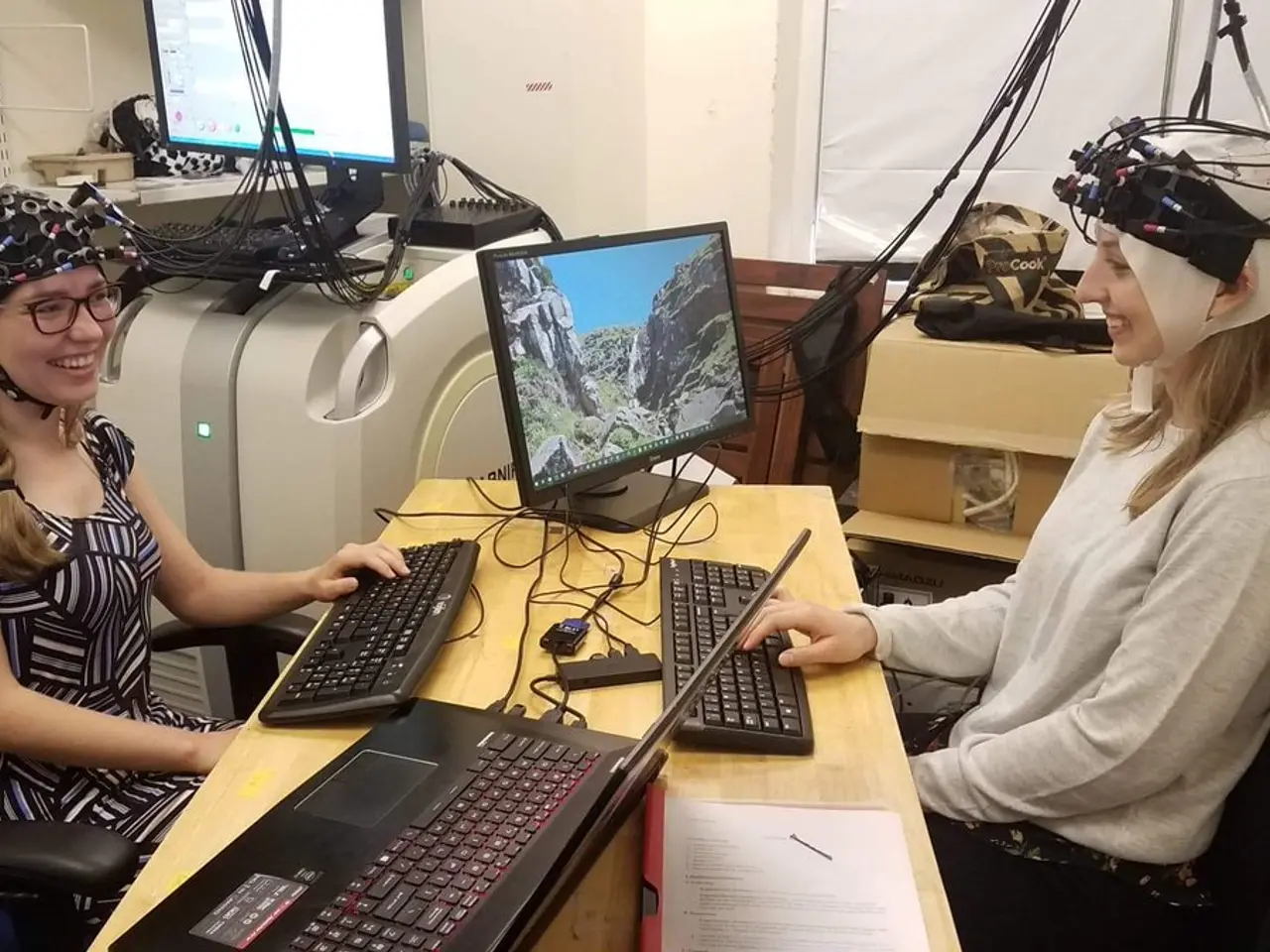
Comparisons between Real and Virtual Environments using Hyperscanning
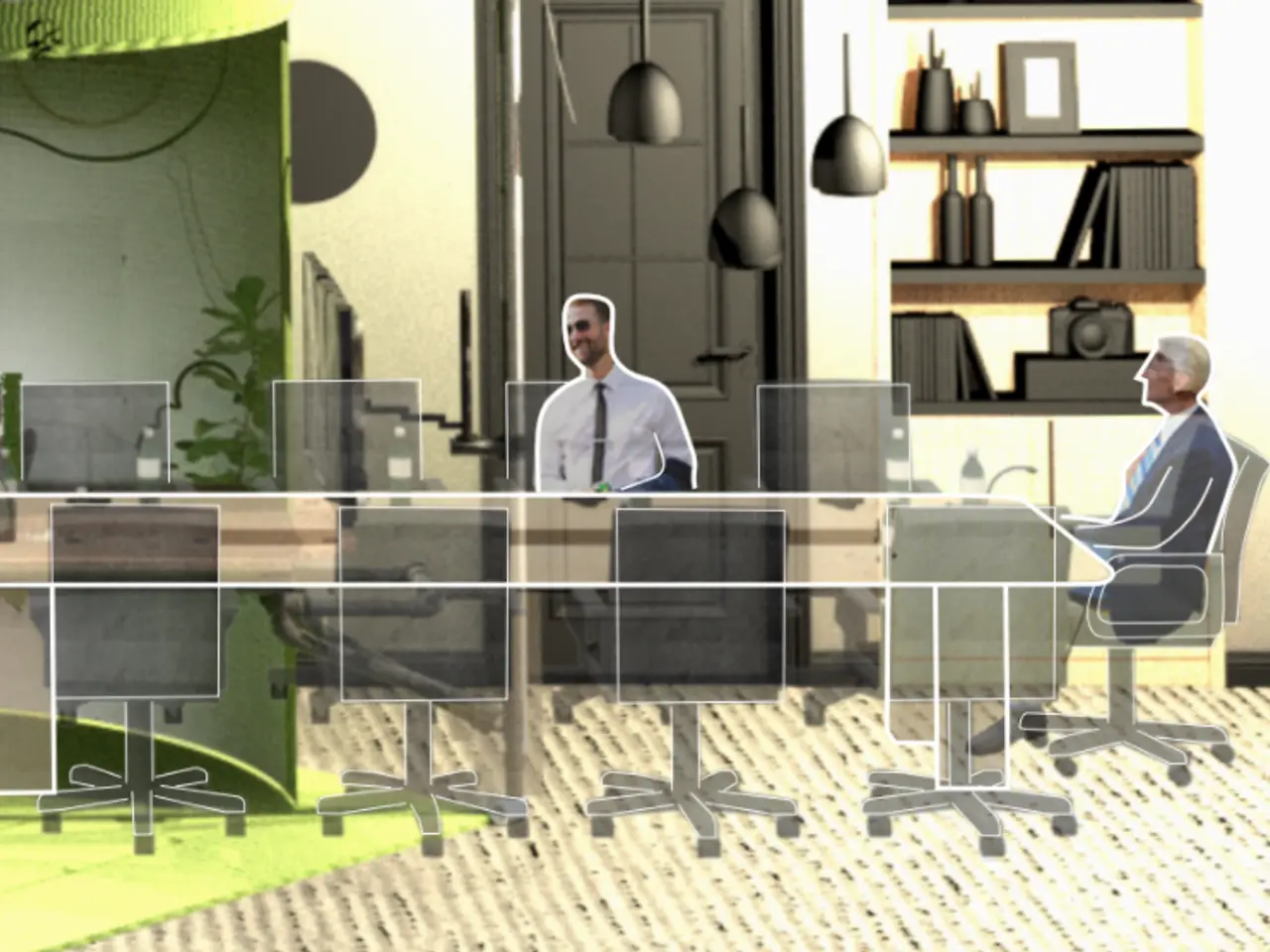
What does a home office need to be if remote collaboration is designed into the architecture rather than bolted on afterwards?
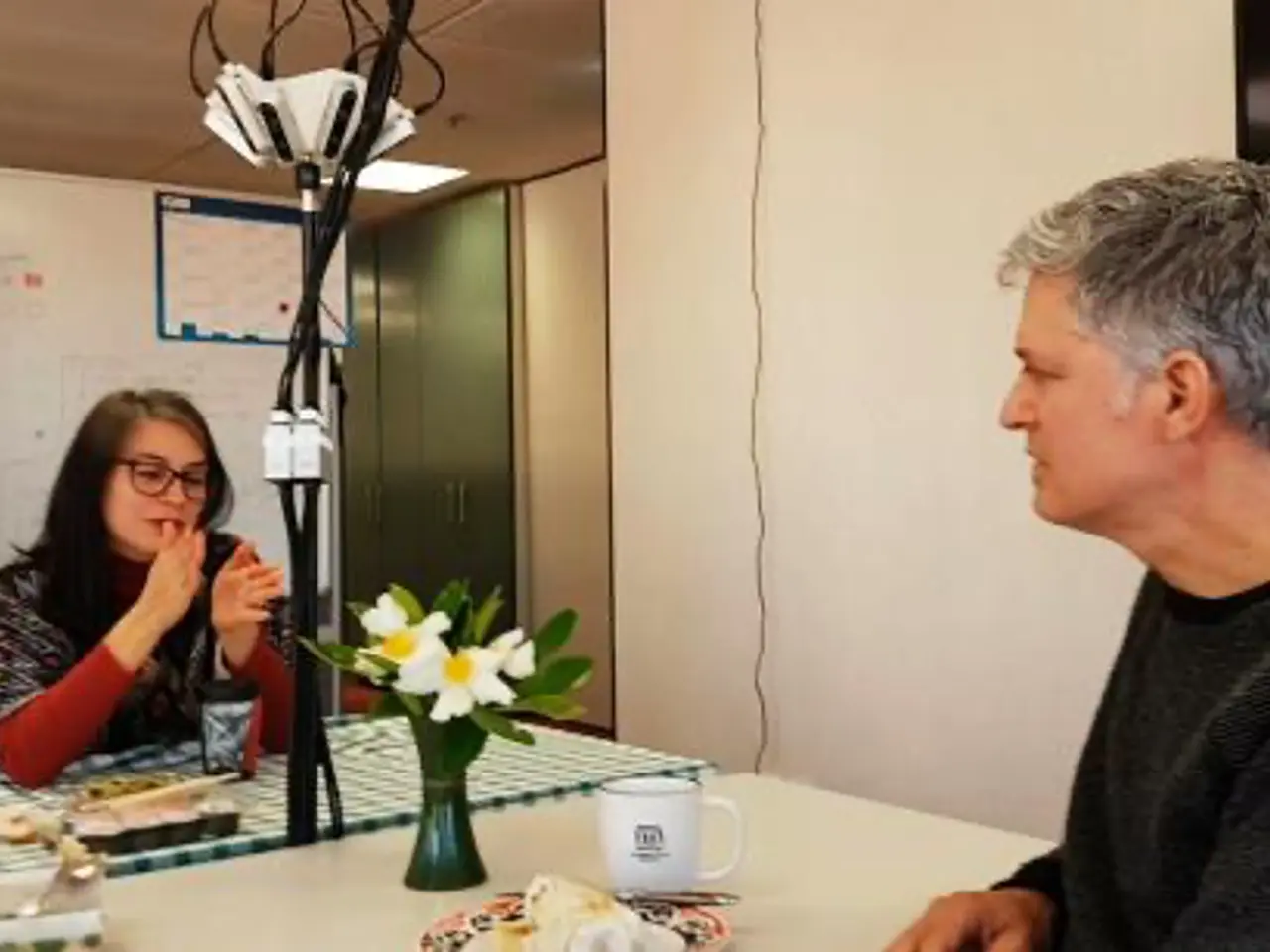
A kitchen table in New Zealand and a question from artist Mairi Gunn: can XR help strangers from different cultures actually meet?
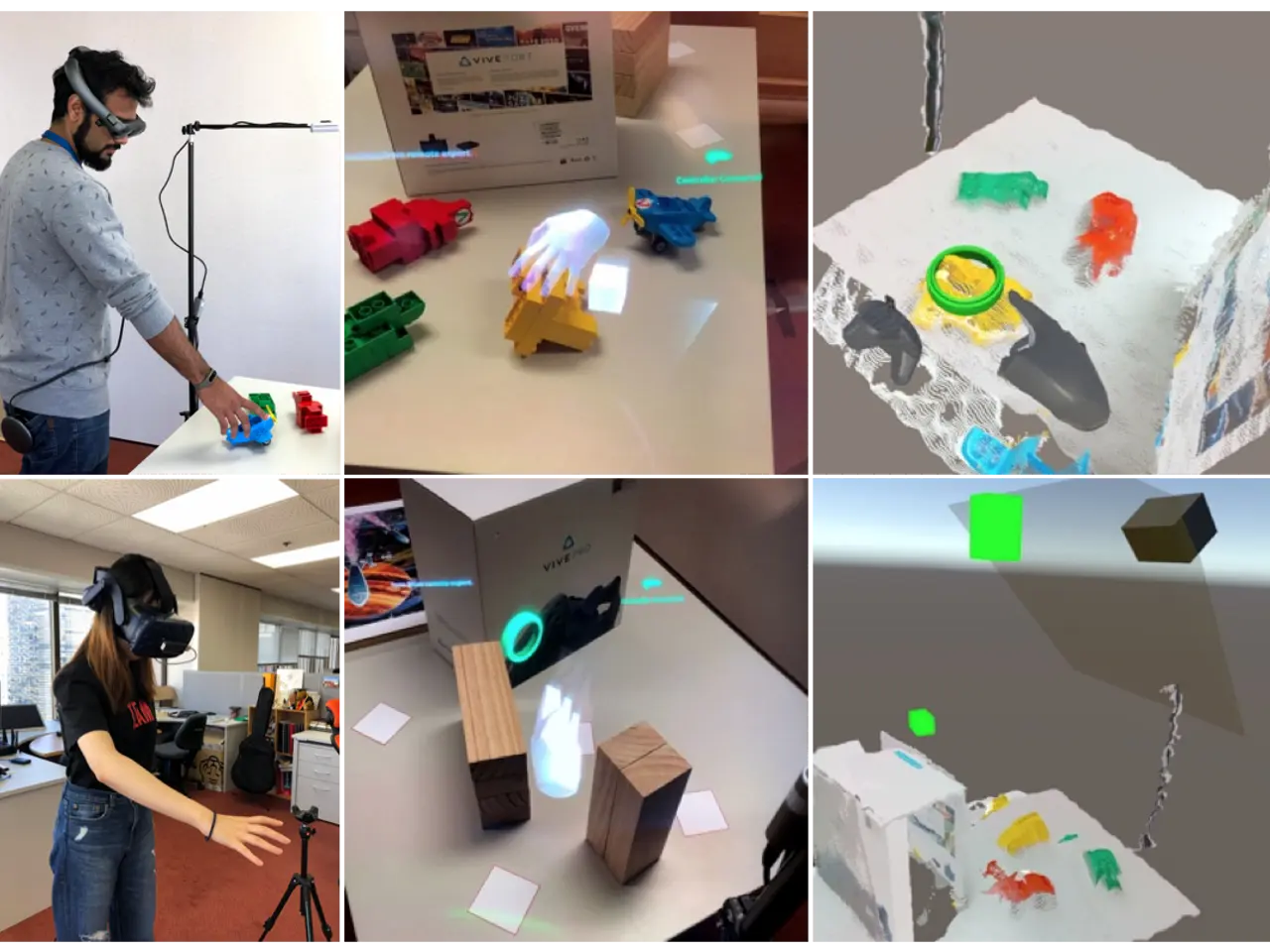
Four depth cameras stitching a live 3D model of a room, so a remote expert can walk around your workspace instead of watching video of it.
— 2018
— 2017
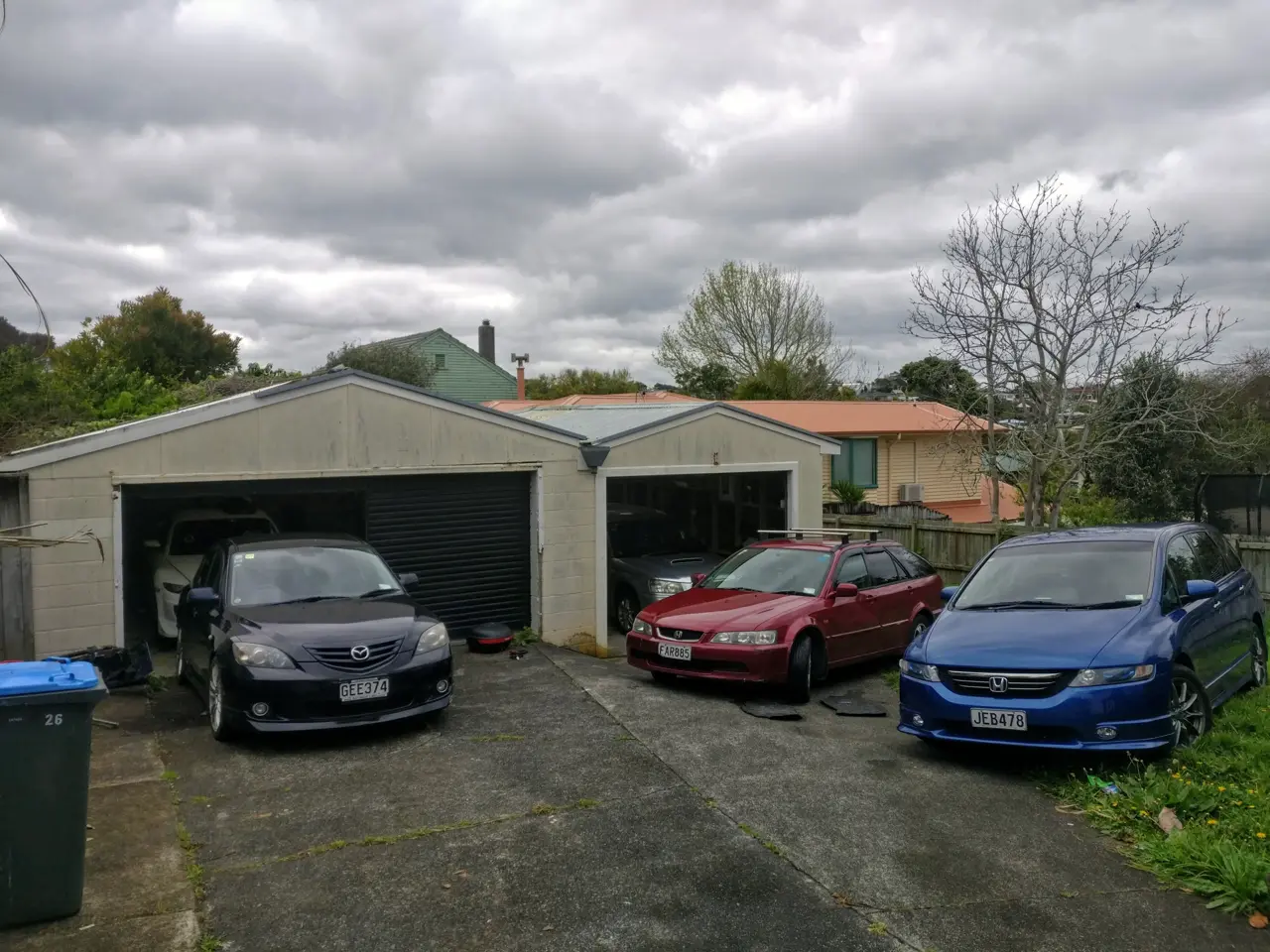
How a Masters student on a tight scholarship accidentally fell into car flipping, learned to wrench, and funded a lot of skiing and surfing.
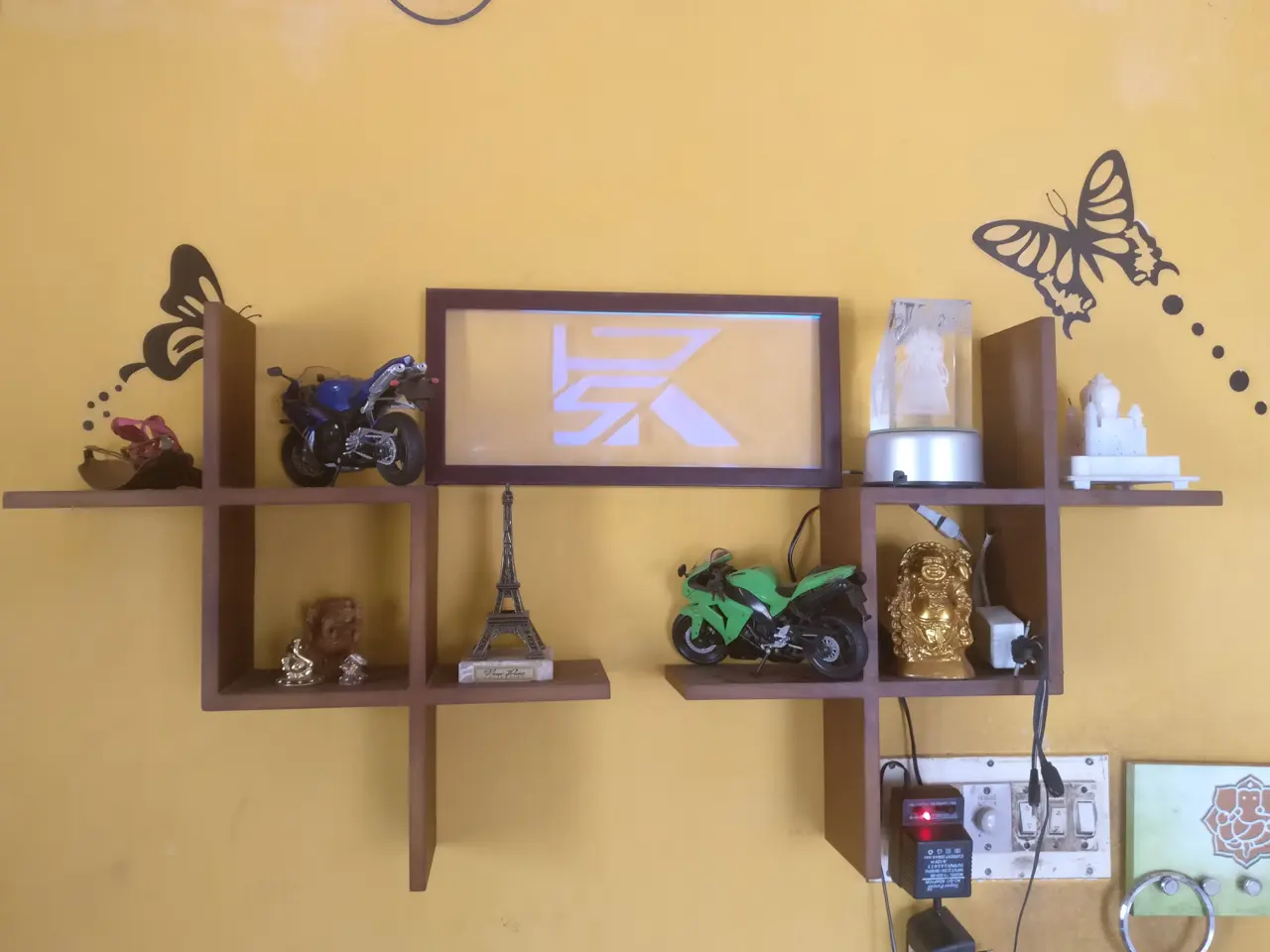
Scavenging spare components from the MagicMirror project to build something cool!
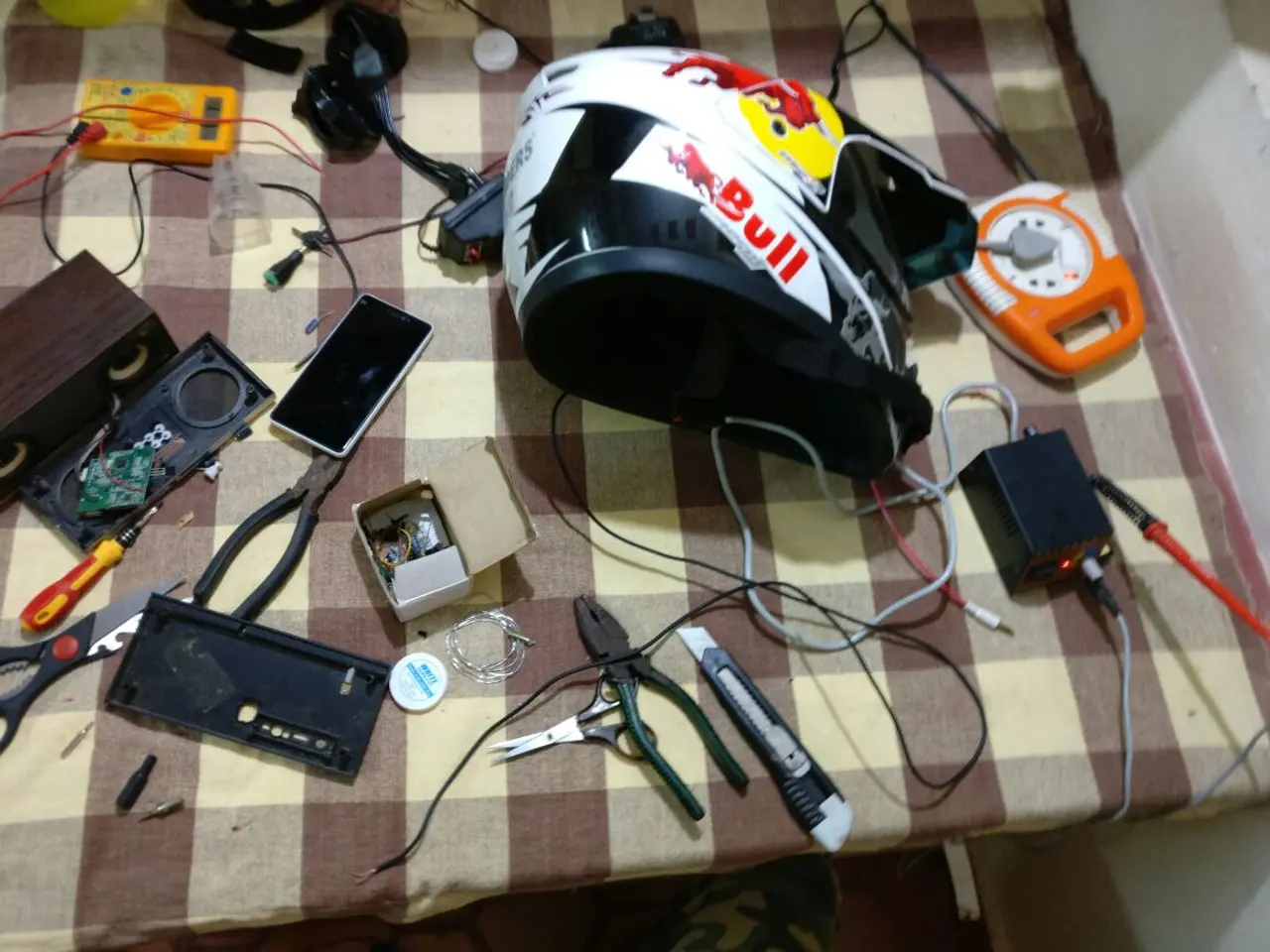
Bringing the music inside the helmet.
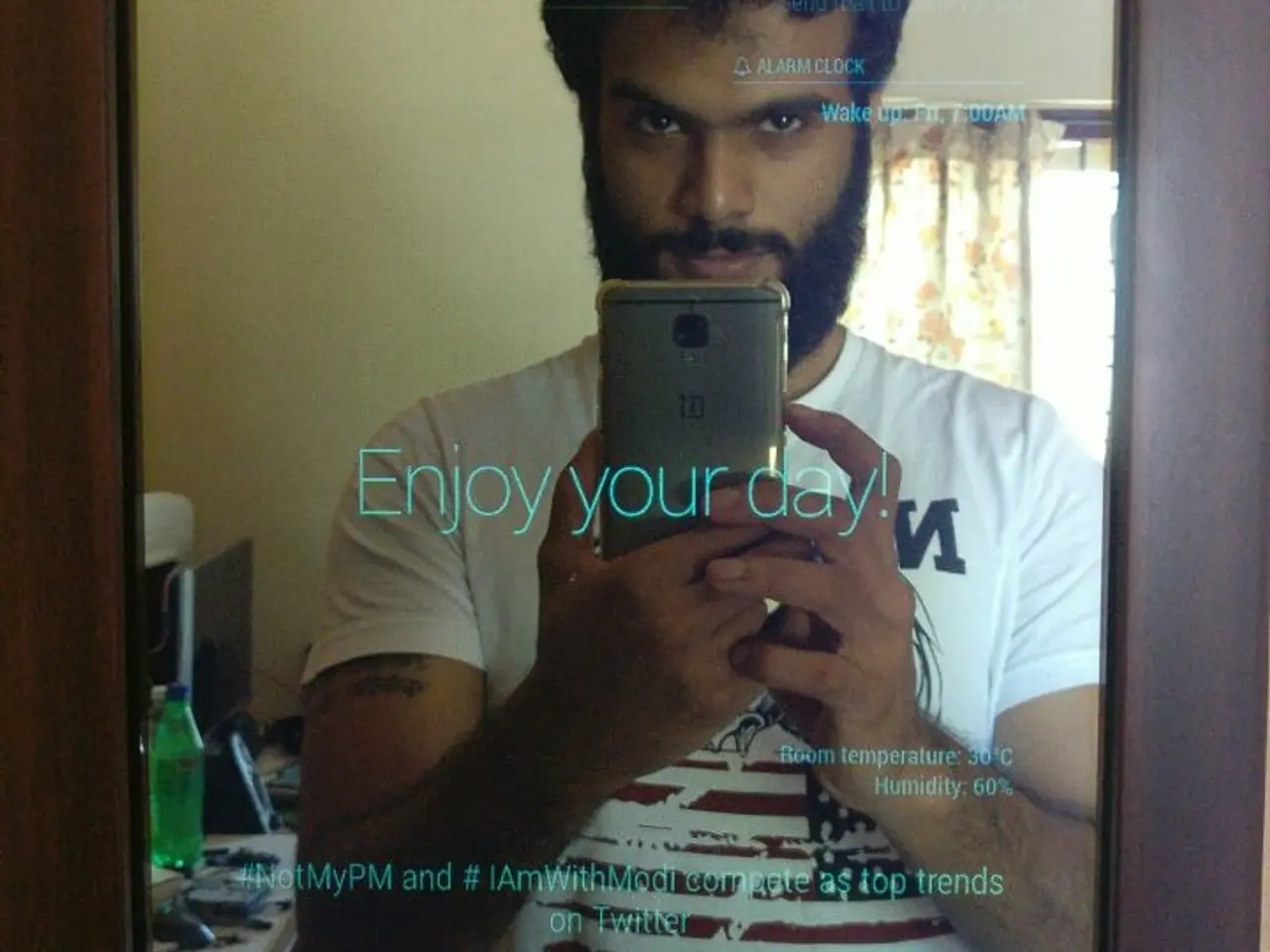
The Mirror is finally ready. A satisfying end to one of the most interesting projects to date.
— 2016
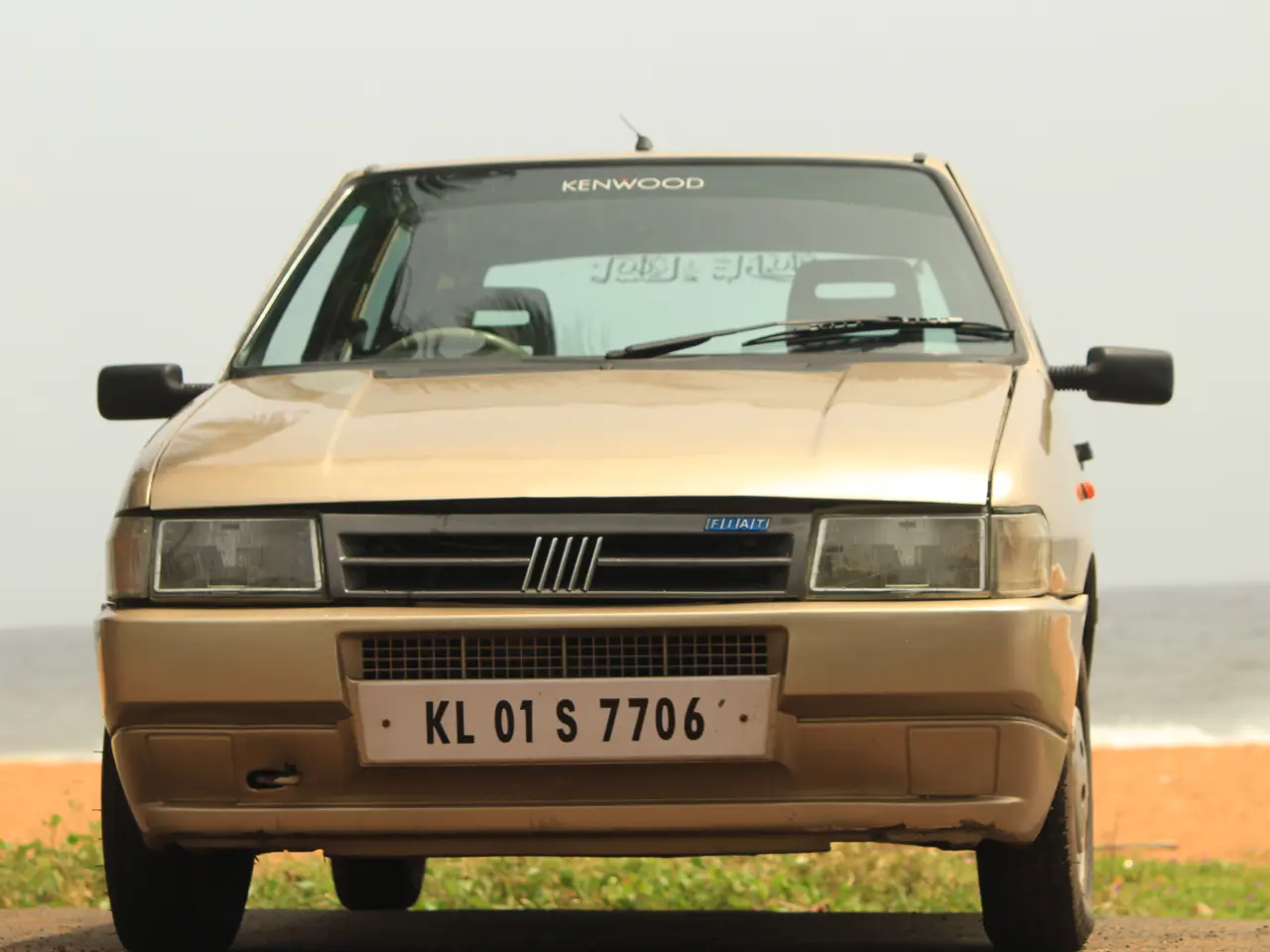
Moving onto bigger projects - the freedom of having four wheels.
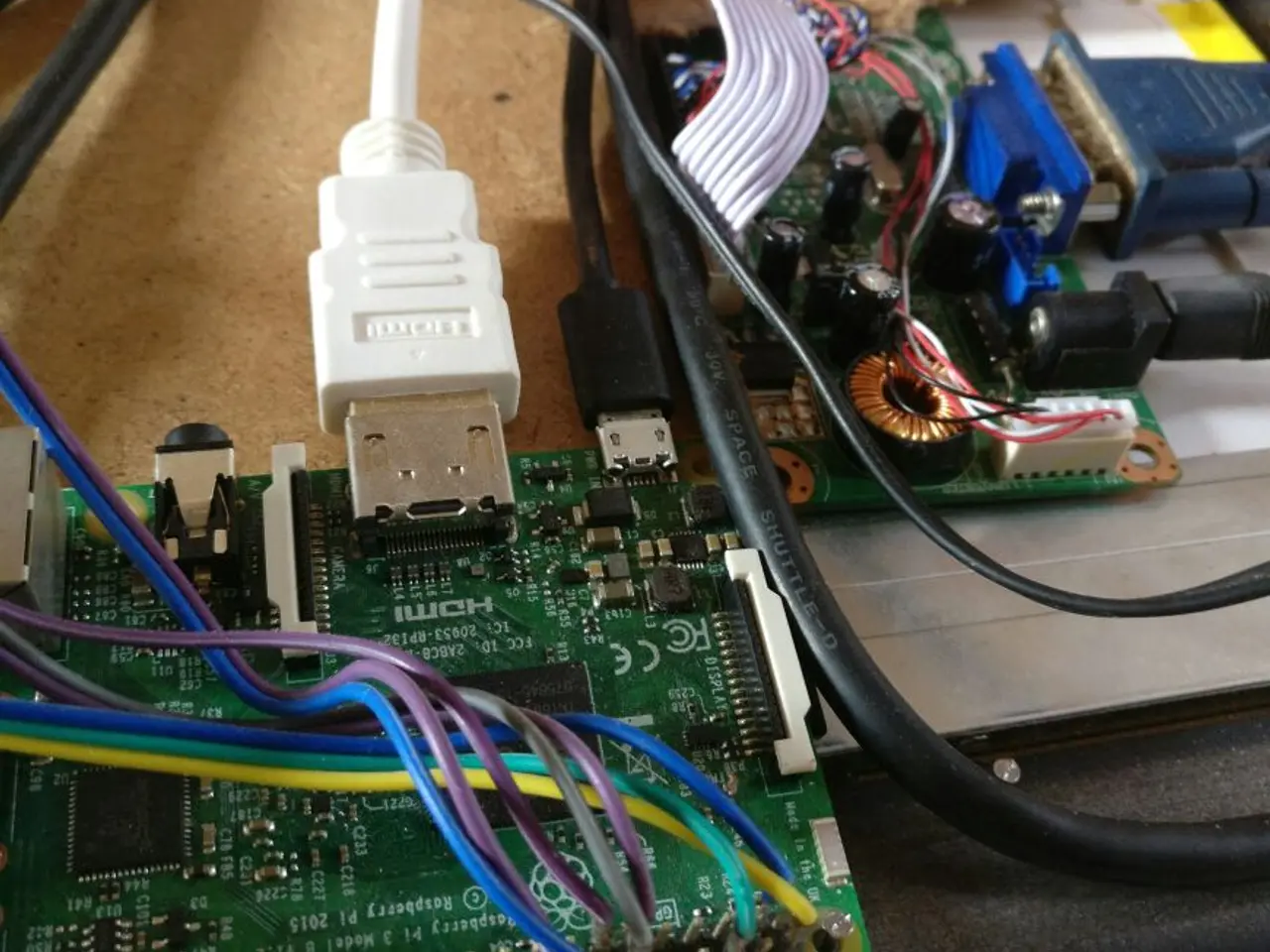
After getting the software side of things up and running, it is time to build the hardware, the cost-efficient way.
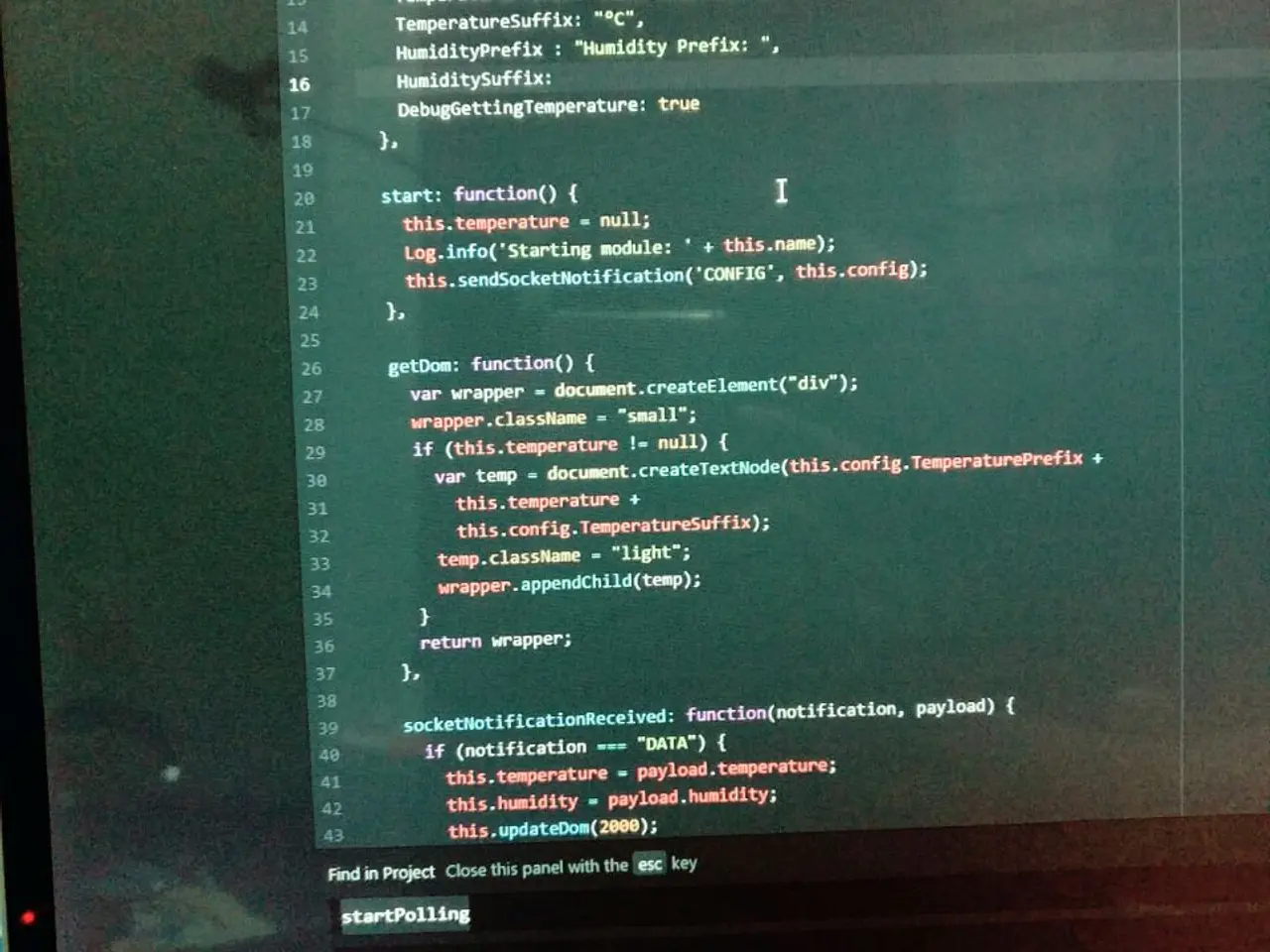
Time to turn specific requirements into reality by writing custom modules.
Six months of bed rest after ACL surgery, a Pinterest habit, and a Magic Mirror: the first thing I built that felt like real-world augmented reality.
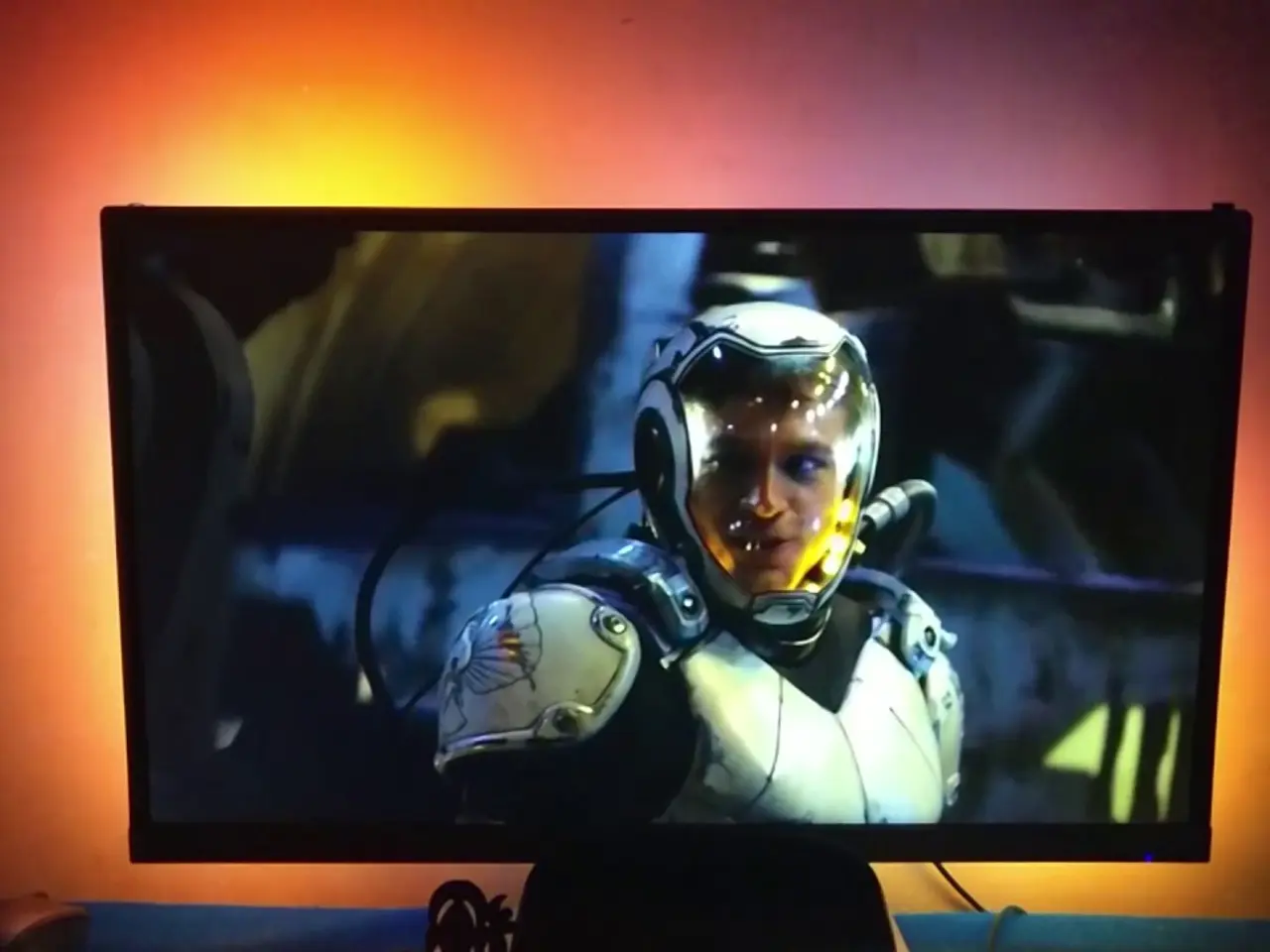
LEDs behind the monitor that follow whatever is on it. Philips ships this with their televisions, so I built one out of an Arduino and a strip of tape.
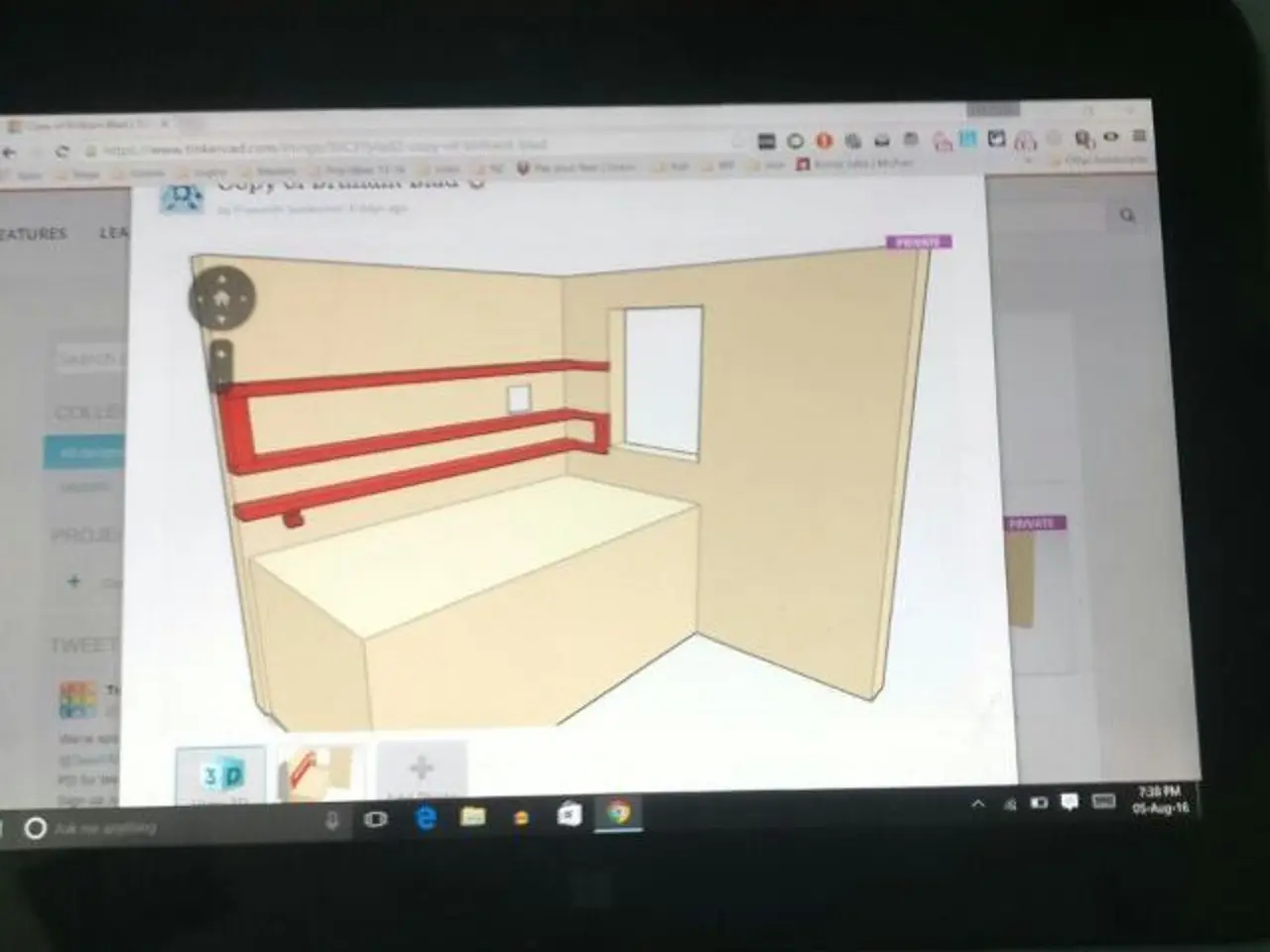
The table is always a mess, full of electronics. Tidying up is not fun, so a shelf was built instead.
An electronics kit at five years old, computers about a decade later, and the hook was set. This is where it all started.
