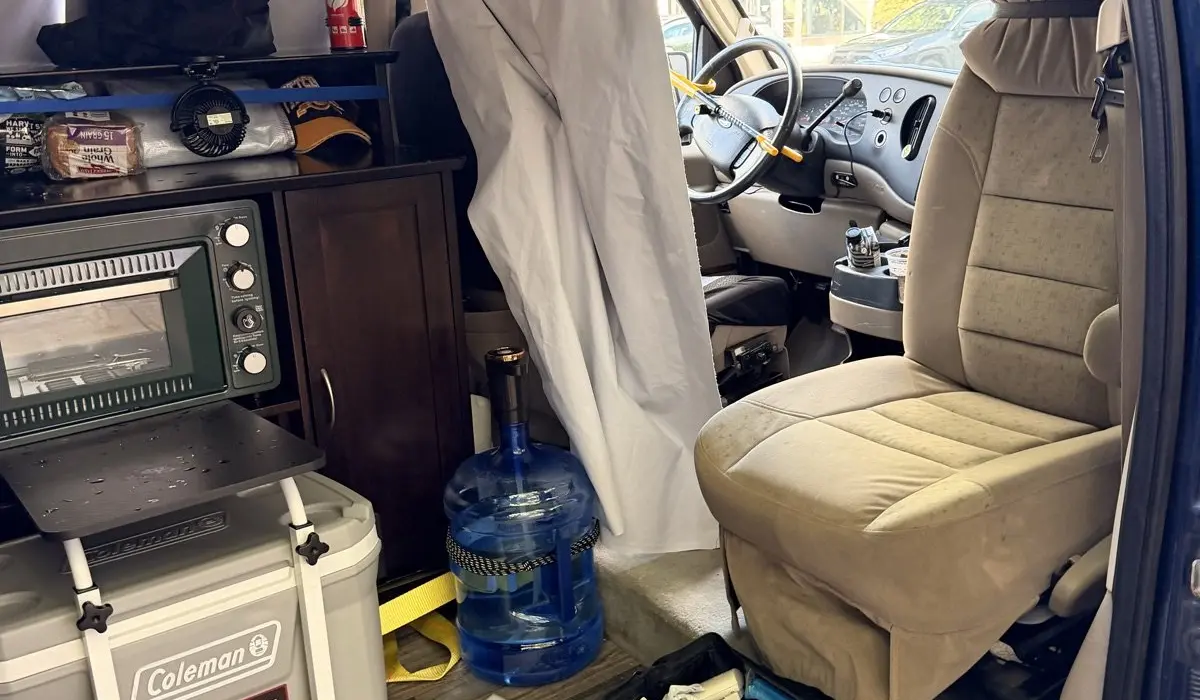
Two weeks turning an ex-accessibility van into a bedroom, office and kitchen, plus the two boss fights nobody warns you about.
I now owned a van in Philadelphia. What I did not own was anywhere to sit in it, cook in it, or charge a laptop in it. The next two weeks were about fixing that, and they turned into one of the most satisfying builds I have done: part carpentry, part electrical, part bureaucratic siege warfare.
The build
The van's accessibility-conversion past kept paying dividends. The dropped floor meant I could stand and work inside it, which turned the build from crawling misery into something almost pleasant. Everything else I added myself, with parts ordered ahead to friends' places along the coast so there was always a box waiting when I arrived.
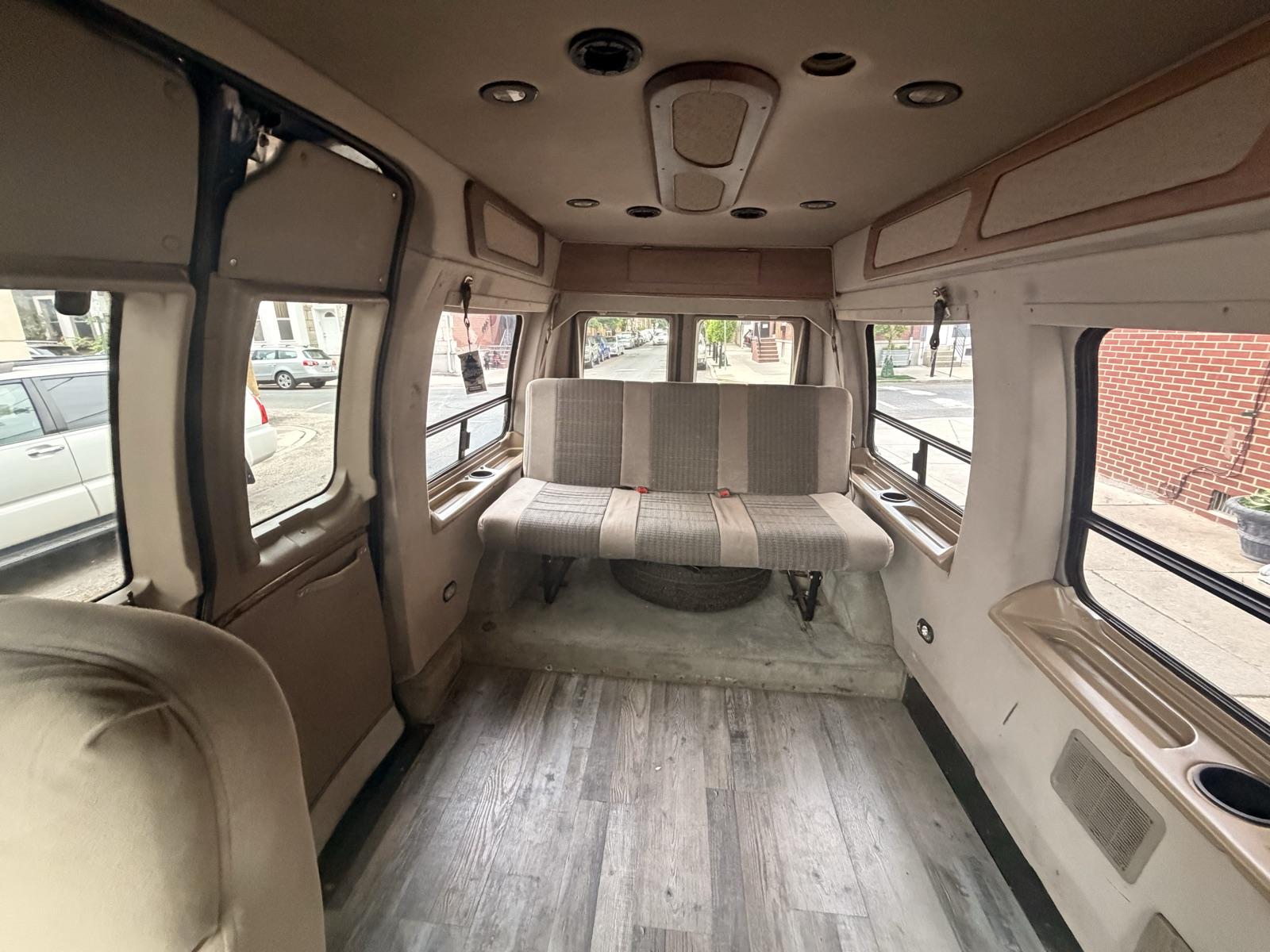
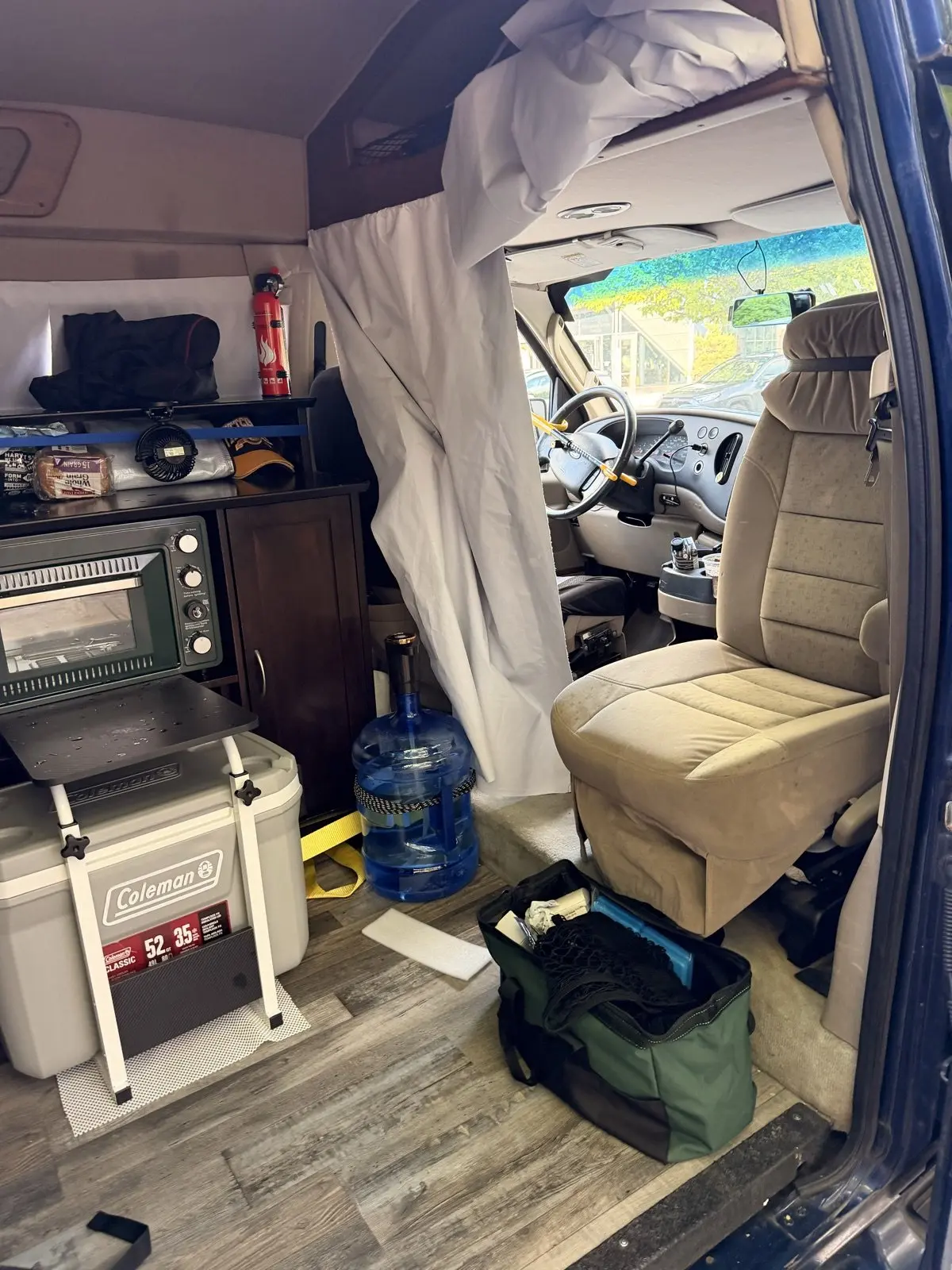
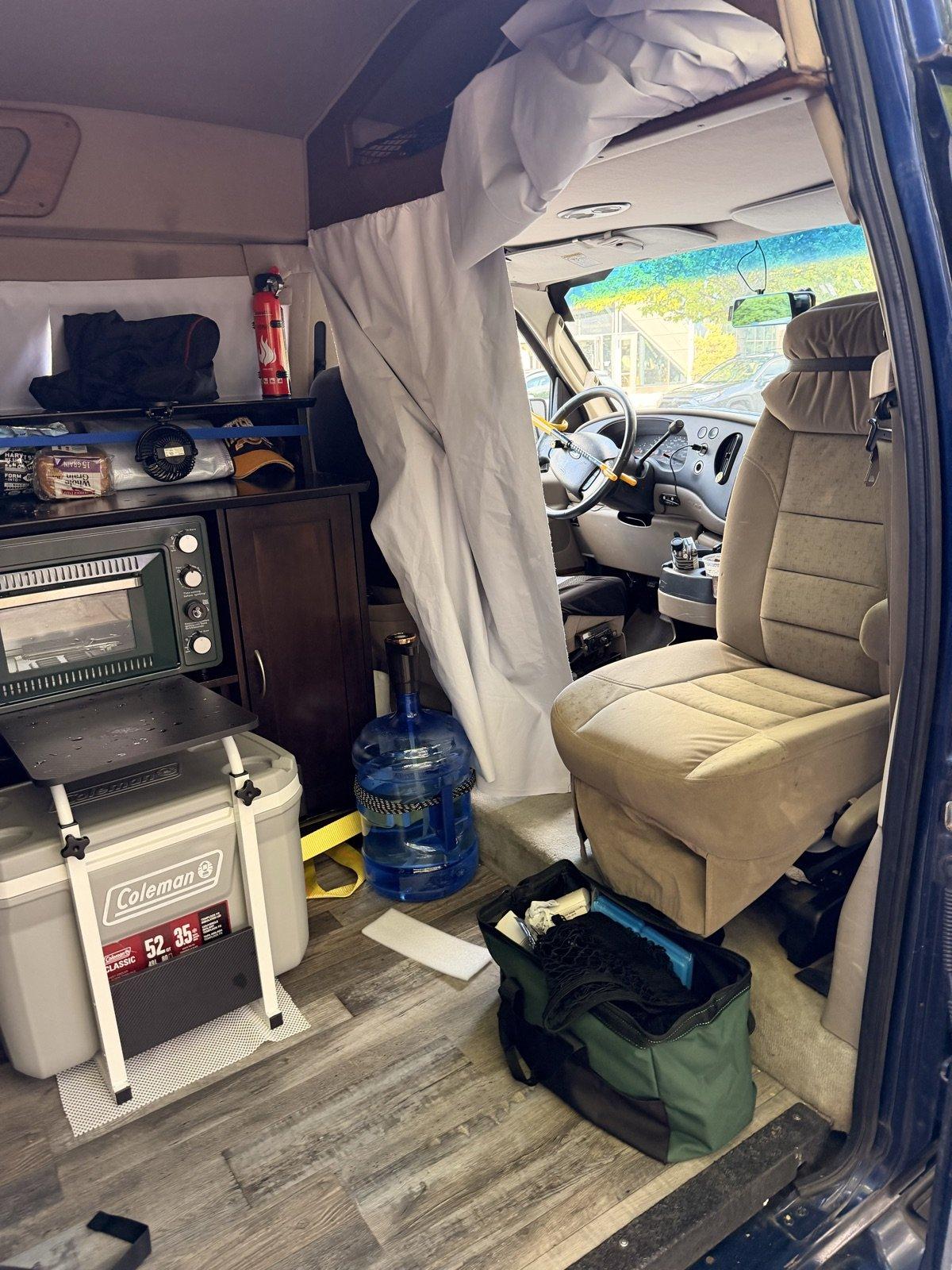
The layout came together around a few key pieces:
- A swivel kit for the passenger seat, so it turns around to face the living space. One seat becomes an armchair, and suddenly the van has a lounge.
- A table and a butane-fired outdoor oven for cooking. Butane canisters are cheap and available everywhere.
- A bedside table that earns its keep twice: it lives in the back of the van as a laptop desk when I am working inside, and comes out at camp as the kitchen bench.
- An Anker SOLIX C300 power station, which runs the laptop, phones, cameras, and most importantly a 12V coffee maker. A 200W solar kit keeps it topped up when I park somewhere for days.
- Starlink for internet anywhere, backed by two SIM connections so there is always some level of connectivity even when the dish is packed away.
- A portable toilet for longer stays, emptied at dump stations along the way.
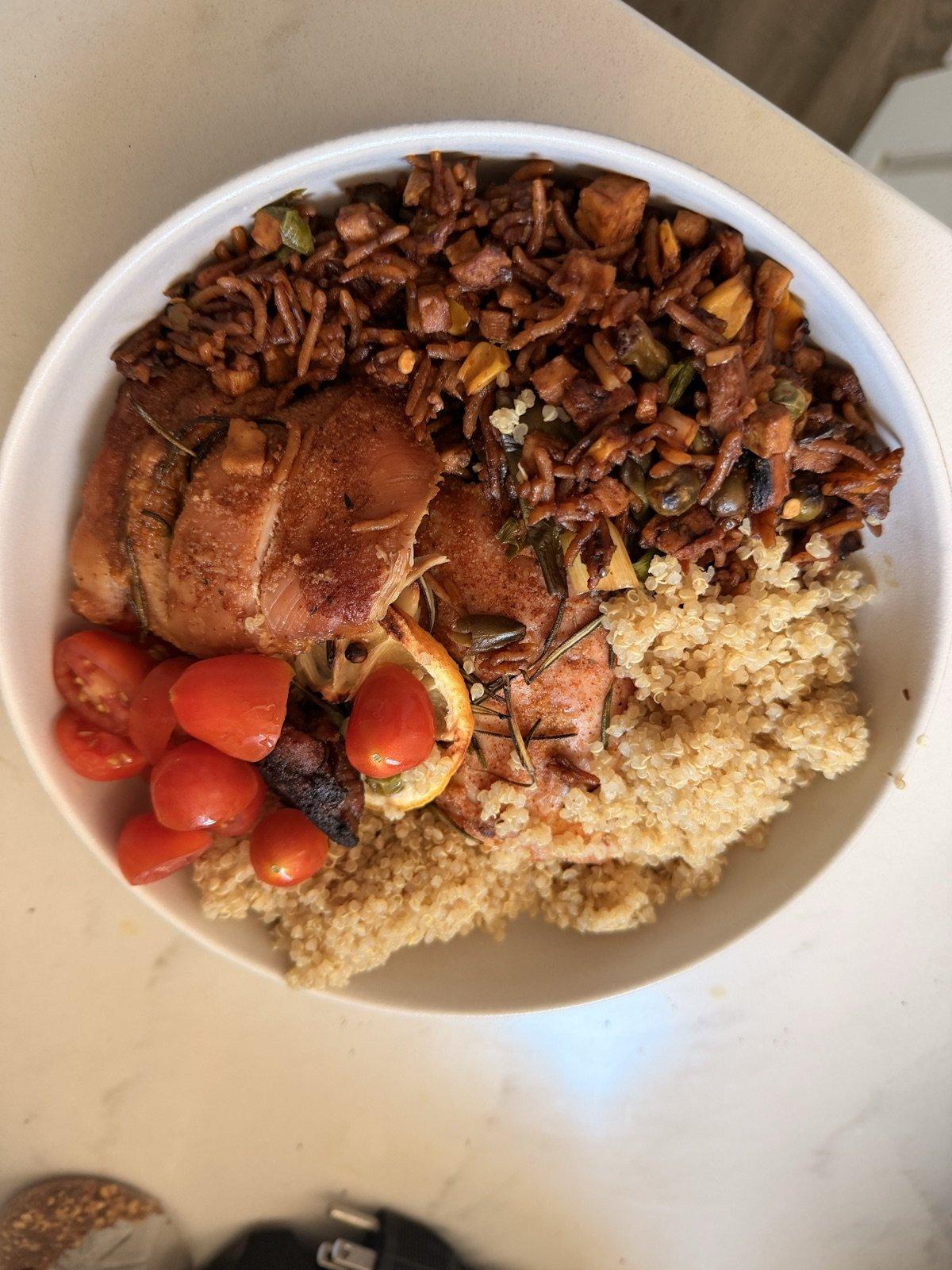
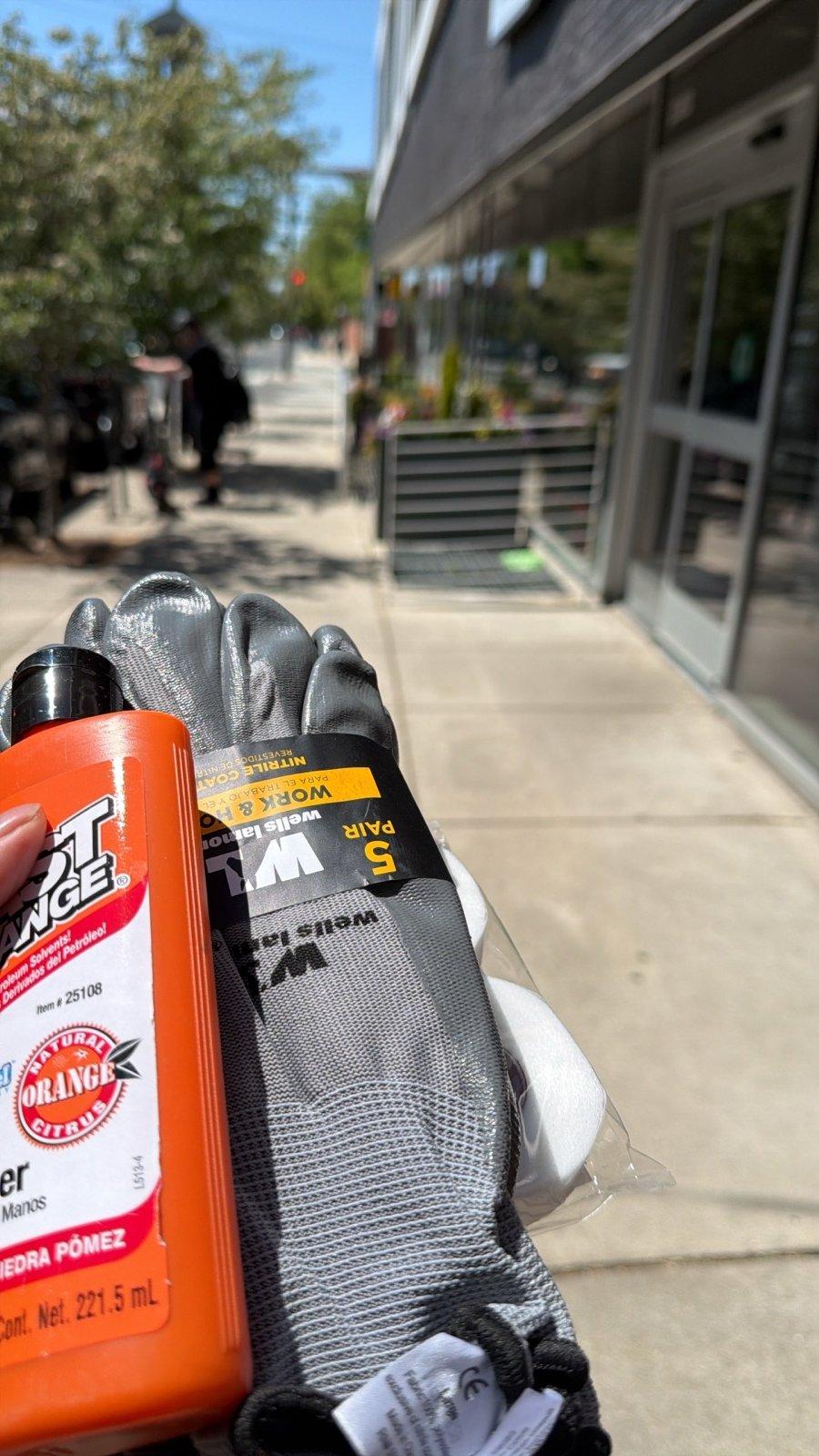
The carpentry was where the glasses earned their place in this story. Mounting the table meant woodwork, and I had neither tools nor timber nor any idea where to get them in a strange city. I put the question to my agent through the glasses and it sourced everything from the nearest Home Depot, down to the aisle. The other quiet superpower was unit conversion. I think in metric; Home Depot thinks in inches, feet and gallons. Having every measurement translated in my field of view, while both hands were holding a workpiece, made the whole build smoother than it had any right to be. It was not flawless. More than once the system hung mid-task and left me standing in an aisle holding a plank, waiting for my own infrastructure to reboot.
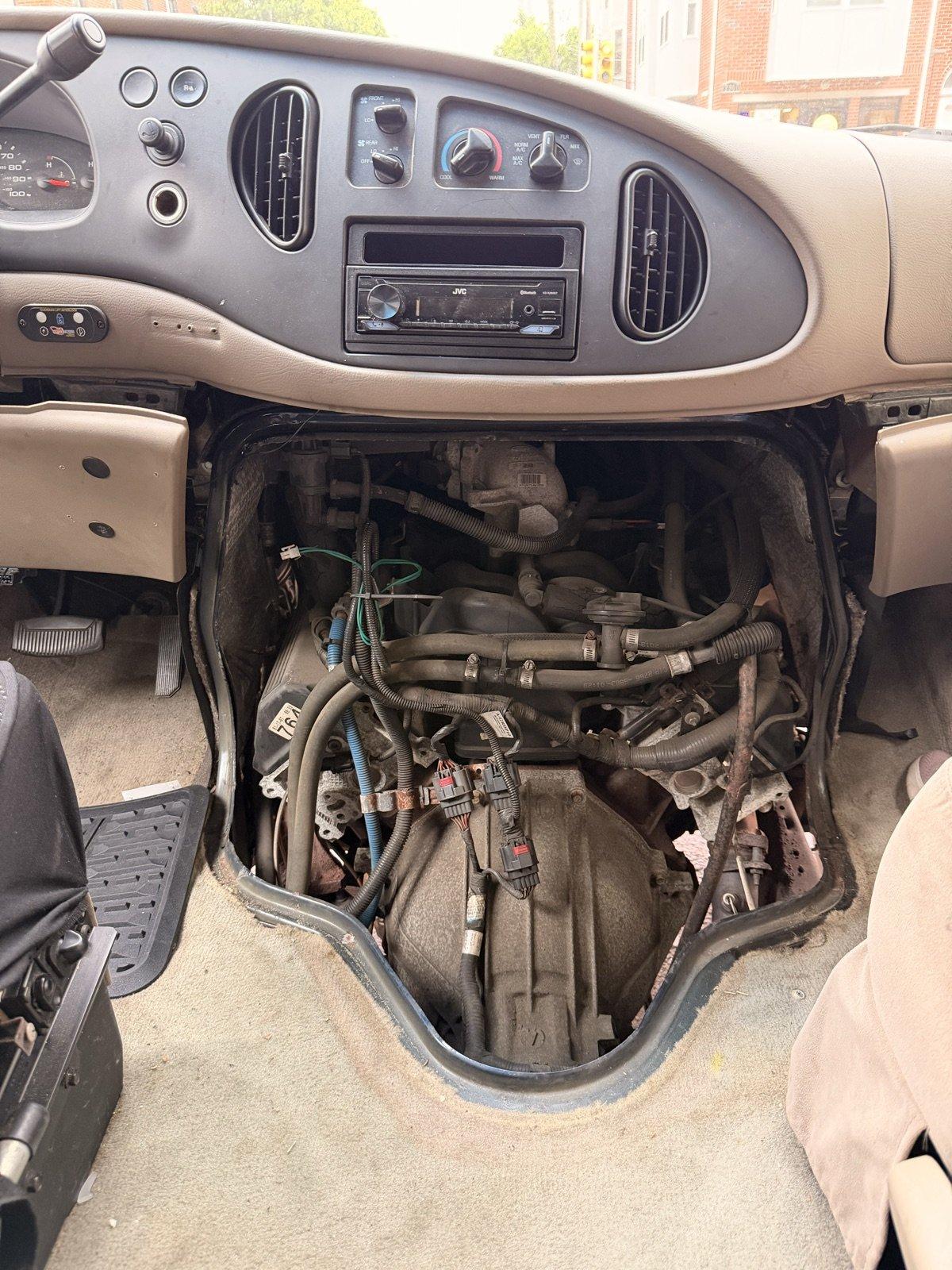
One more thing this generation of van gets right: the engine sits under a cover between the front seats, so a surprising amount of servicing happens from inside the cab, out of the rain.
The infrastructure you cannot build
A van gives you a bed and a desk. It does not give you a shower. The fix, which every American van lifer seems to arrive at eventually, is a Planet Fitness membership. There is a branch near almost everywhere, and each one is a washroom, a toilet and a hot shower that travels with you for a few dollars a month. It quietly became the most important subscription of the trip.
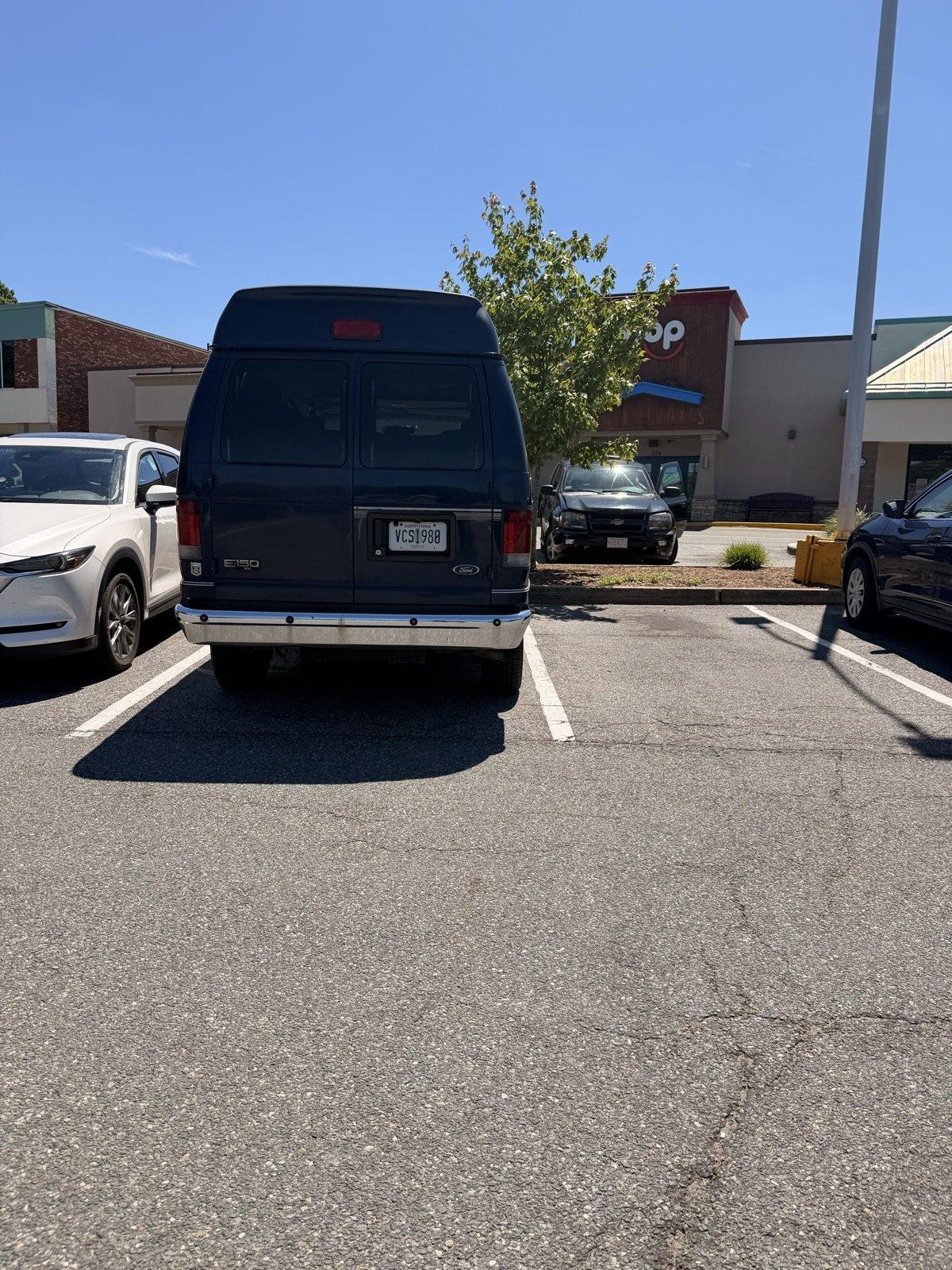
Parking was the other daily puzzle. Two apps solved most of it: iOverlander for finding overnight spots that are scenic and, more importantly, safe; and SpotHero in congested cities, where buying a cheap parking spot near a gym turns any downtown into a serviced apartment. A rule of thumb I picked up along the way: the safest free overnight parking is usually behind police stations and fire stations. For everything else there were cafés. A small coffee at a Starbucks buys a desk, a power socket and Wi-Fi for as long as you can decently stretch it.
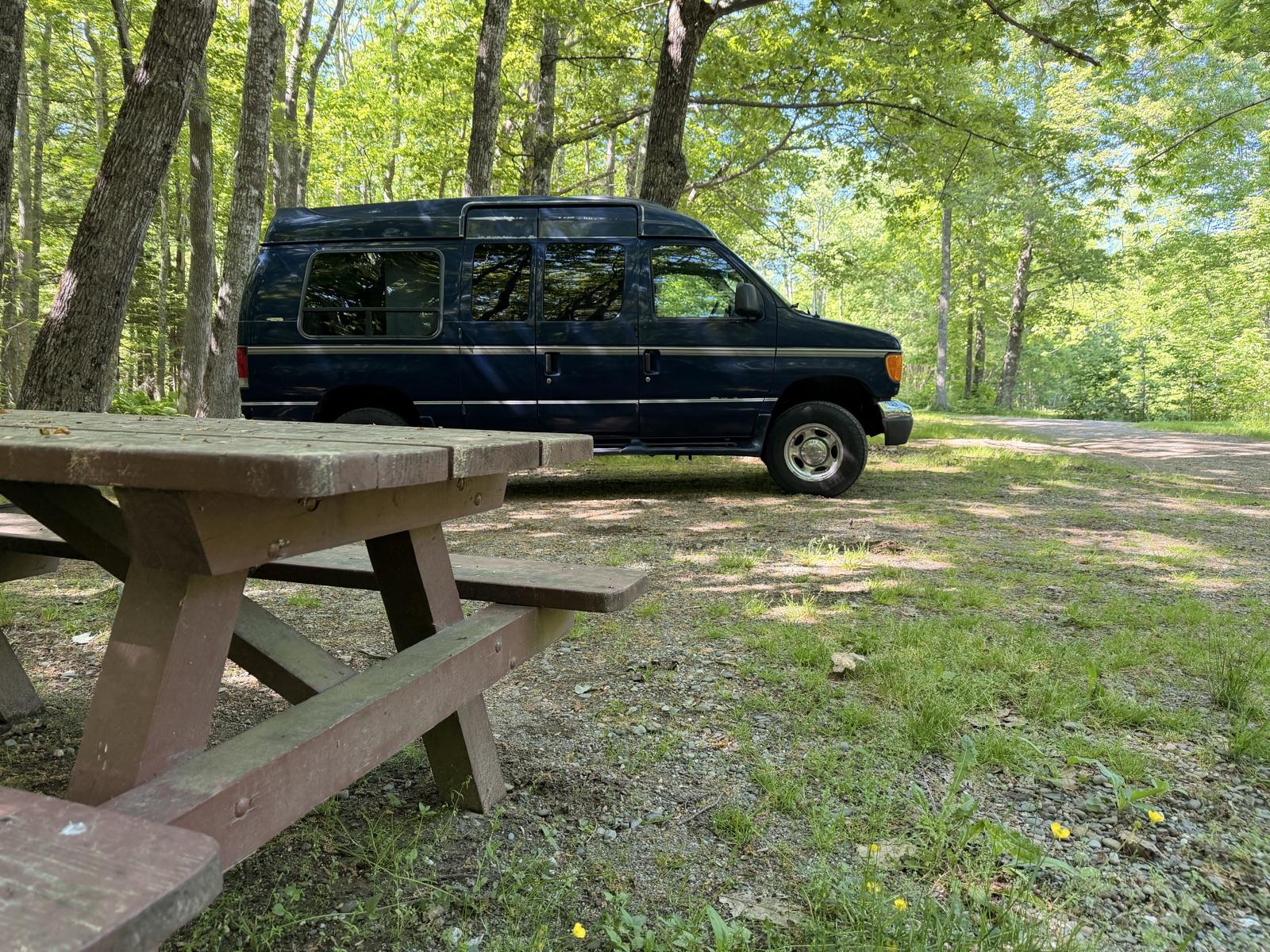
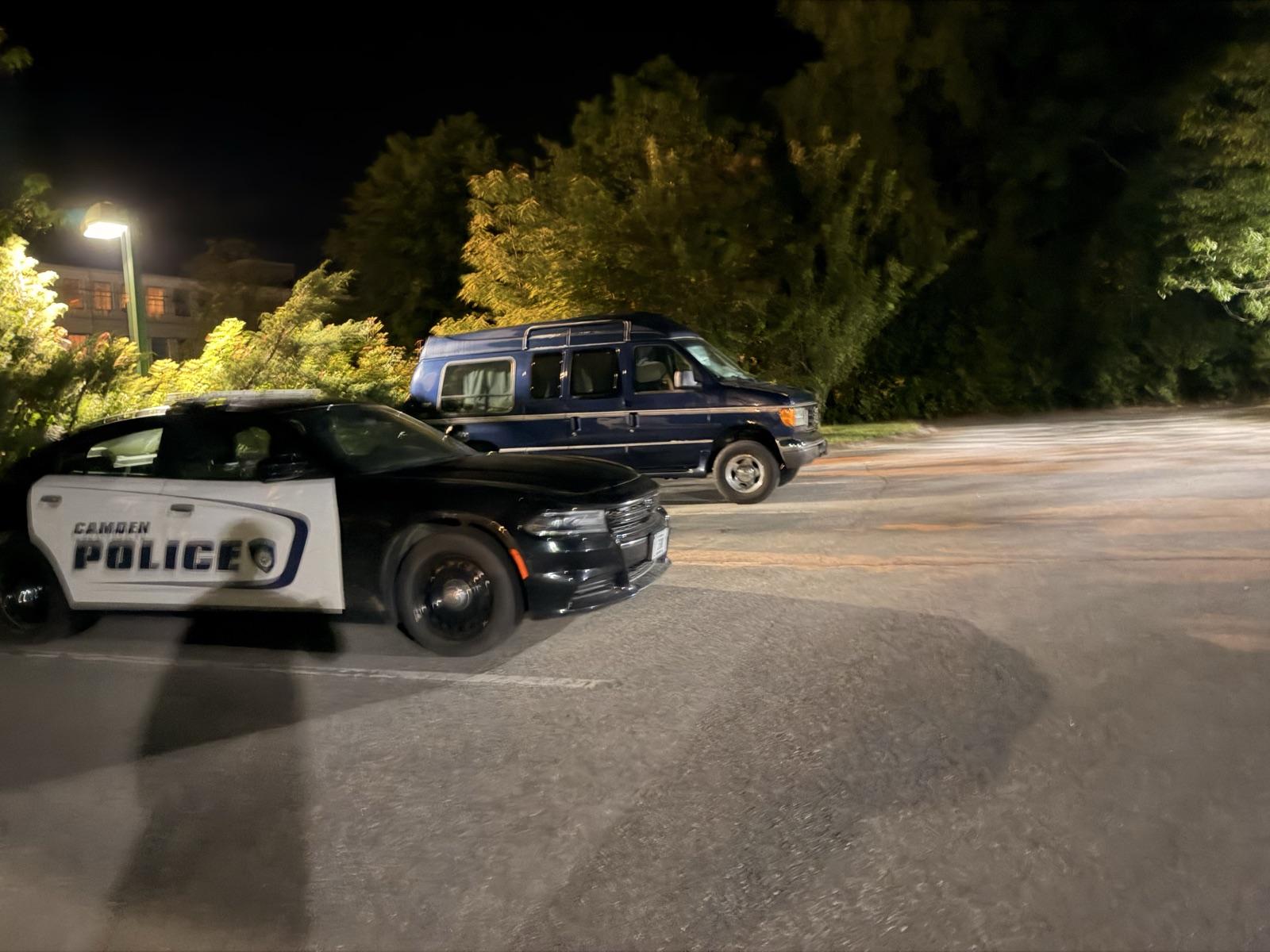
The economising found its logical conclusion when I learned to cut my own hair. There was a learning curve, and the early results showed it. But here is the thing about being a stranger in every town: nobody knew how I usually look, so nobody could tell. Barber prices in the US made it one of the better-paying skills I picked up all trip.
The boss fights: banking and insurance
The hardest parts of the build involved no tools at all.
Try opening a US bank account on a visitor visa and the first answer you get is no. The first bank I walked into turned me away flat. So I started calling branches, asking each one what exactly they would need, and eventually walked into a Chase branch with every document they had mentioned, got in front of the manager, and made the case in person. It worked. Account opened, on a visitor visa, contrary to the first three opinions I had collected.
Insurance was worse. I hold an international license, and a big van like mine registers as a commercial vehicle with most insurers, which is a combination their systems simply refuse to quote. The only way through was volume: call after call after call, until I found one that would write the policy. It costs me about $170 a month, which is genuinely painful, but it is the difference between a trip and a parked asset.
Worth it by sunrise
Two weeks after Philadelphia, the van was done: bed, desk, kitchen, power, internet, shower network, bank account, insurance.
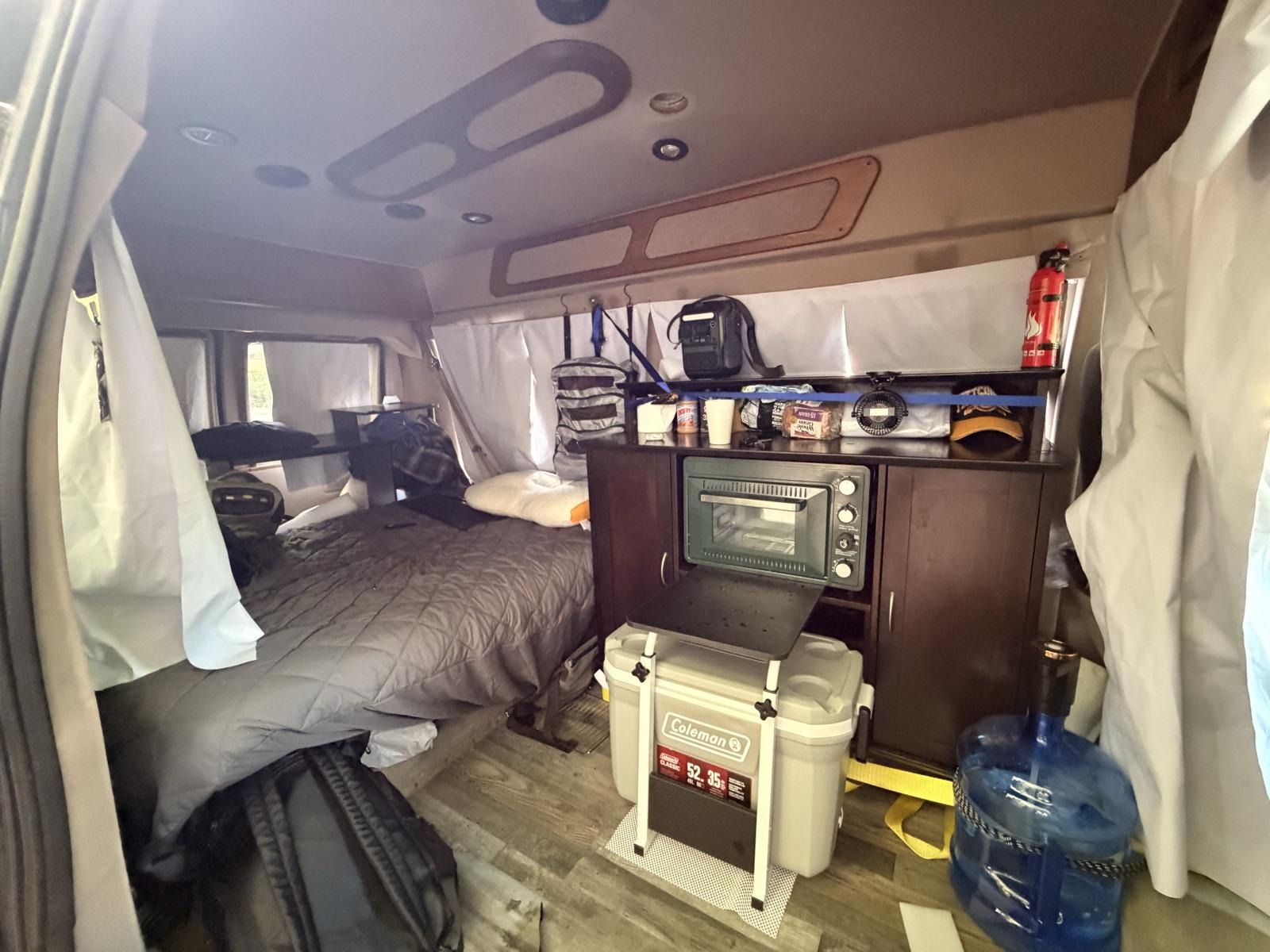 Every morning since has started the same way. Wake up early, make coffee on battery power, and let the van's genuinely great stereo do its thing while the sun comes up over wherever I parked. It is the best moment of most days, and it cost a fraction of a month of bad Airbnbs.
The van was the hardware. The next post is about the software: the agent stack that ran my working life from a VPS, a laptop, and a pair of glasses, roughly thirty conversations a day.
Vanlife with Agents: An Office That Moves