A dead MacBook port and a smashed phone screen, both fixed in under an hour. The repairs are not the interesting part; what the savings turn into is.
There is a moment right after something breaks where the object stops being a thing you own and becomes a decision. Most people make that decision in about four seconds, and it usually costs them several hundred dollars.
I have never been quick at it. Not out of virtue: it is closer to stubbornness, plus a long-held suspicion that "broken" and "worthless" are doing very different jobs in that sentence. Almost every consumer object I have taken apart has turned out to be one small, cheap, replaceable part away from being fine.
That gap, between what a repair costs and what replacement costs, is the most reliable money I have ever made. Not saved. Made. It behaves exactly like income, except nobody taxes it and you get to keep the afternoon.
The port that died under warranty and got fixed well outside it
One of the two USB-C ports on my early 2020 MacBook Air stopped working about three months after I bought it, comfortably inside the warranty. I did not take it in. There were reasons at the time and none of them survive scrutiny now. The warranty quietly expired and I spent the better part of two years living with one port, which is fine right up until the moment it is not: charging and an external drive, charging and a monitor, an endless small negotiation about what mattered more.
Eventually the negotiation got annoying enough to become a project.
The part is a small daughterboard, and it costs a couple of dollars. Not a couple of hundred. A local shop in New Zealand had it on my desk the next morning, and AliExpress had it cheaper still if I was willing to wait a few weeks for a component roughly the size of a stick of gum.
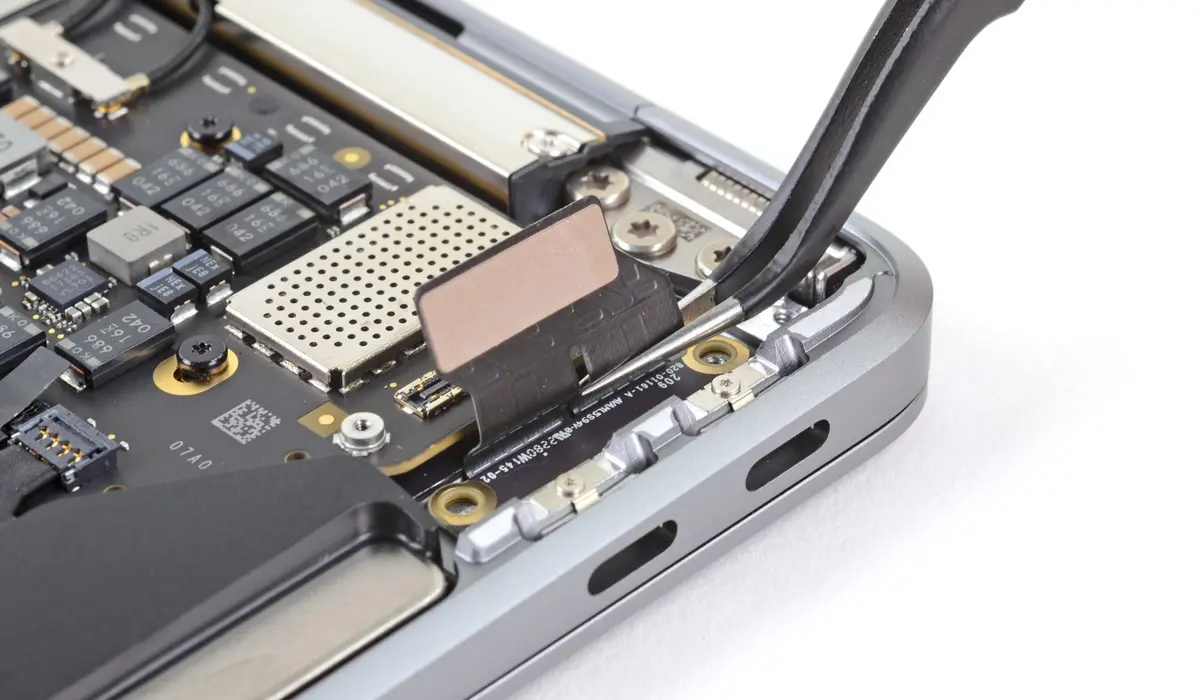
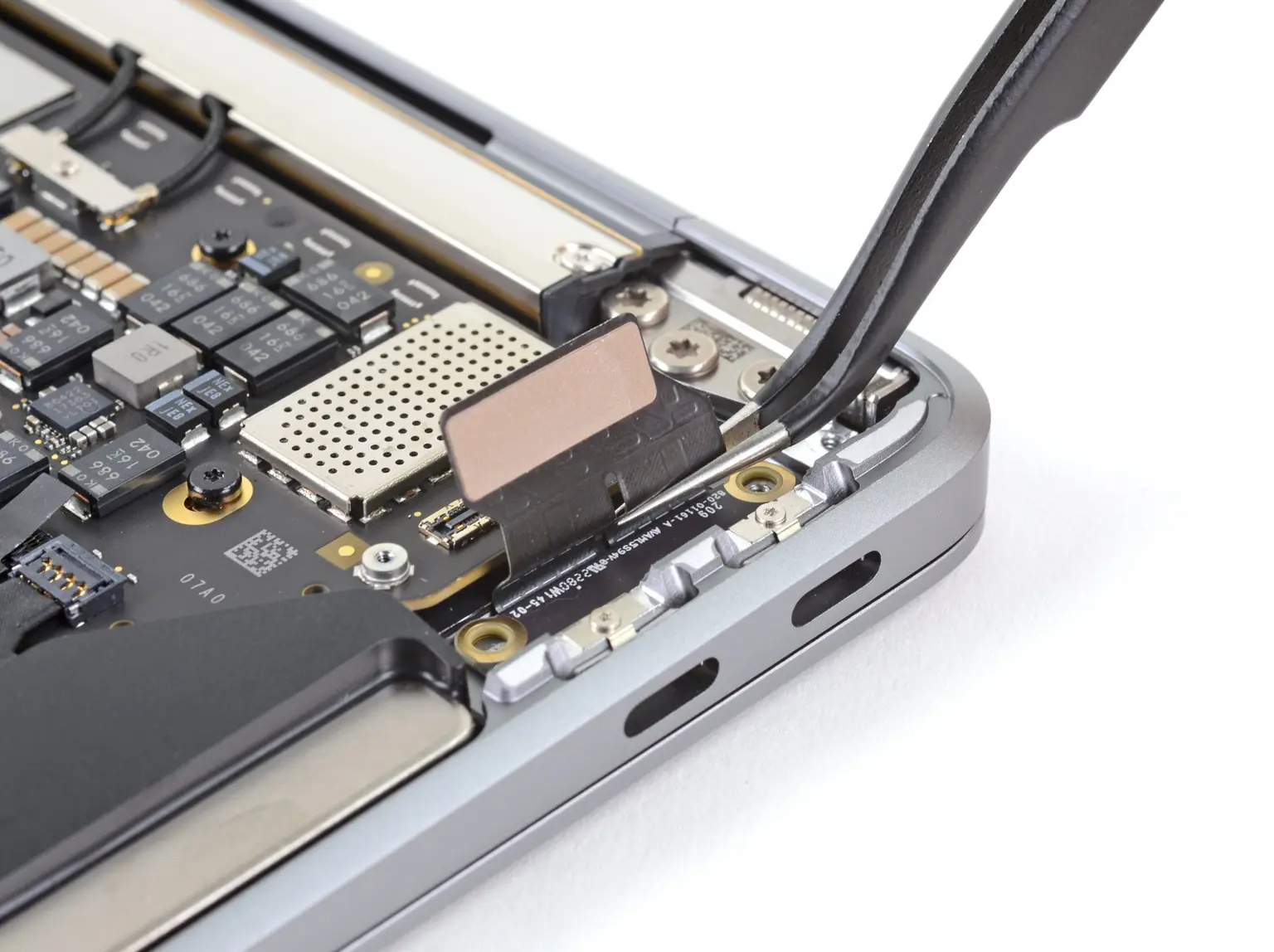
The job is six steps. Take the screws out of the lower case, take the case off, disconnect the battery first because you are not an idiot, unplug the USB-C board and lift off its connector cover, back out the two 2.9 mm screws with a T5 Torx, swap the board.
Ten minutes. Most of which was finding the driver.
That is the part that still gets me. Not that it was possible, but that it was easy, and that the easiness is invisible from the outside. From the outside it is a broken laptop, and a broken laptop is a shopping trip.
The phone nobody would have bothered with
The Huawei Nova 5T is not an expensive phone. That is precisely why it is a good example. When a cheap phone smashes its screen, the arithmetic looks like it argues for replacement, because a repair quote sits close enough to the price of another handset that most people shrug and buy the handset.
Do it yourself and the arithmetic stops being close. A replacement panel is a fraction of a new phone, and the labour is you, on a weeknight, at a kitchen table.
It is a warmer, slower job than the laptop. Heat to soften the adhesive, then patience, because the panel comes away in its own time and forcing it is how you turn one broken thing into two. Ribbon cables the width of a fingernail, seated with a click you feel more than hear. Then the first time the new screen lights up, which never stops being slightly ridiculous, given that thirty minutes earlier it was rubbish.
Where the money actually goes
Here is the part that makes this a strategy rather than a hobby.
The money does not stay money. Money that stays money just sits there being sensible. What a saved repair bill actually becomes, in my case, is car parts: a set of brake pads, a cambelt kit, the difference between an auction car that runs and an auction car that drives. The garage is largely funded by things other people threw away.
It compounds in the other direction too. Every repair teaches you the thing that makes the next one cheaper, which is not soldering or screwdriving but a kind of calibrated nerve: the accumulated evidence that most objects are less fragile and less mysterious than they are marketed to be. A laptop is a box of parts. A phone is a box of parts. So, it turns out, is a car.
None of this is really about saving money. It is about refusing the four-second decision. Everything after that is just a screwdriver.